
Author name: Africa Asia Institute

views and opinions

How Sustainable Development Partnerships Between Africa and Asia Are Reshaping Global Progress

How Sustainable Development Partnerships Between Africa and Asia Are Reshaping Global Progress Sustainable Development Partnerships Between Africa and Asia are fast becoming a vital pillar in the global quest for equitable progress. Aligned with the Africa–Asia Institute’s mission to foster inclusive knowledge exchange, cultural understanding, and international cooperation, these partnerships offer a practical framework for addressing complex global challenges. By focusing on shared development goals and mutual learning, Africa and Asia are forging new paths toward a future marked by sustainability, innovation, and resilience. Sustainable Development Partnerships Between Africa and Asia: A Multidimensional Approach These partnerships extend well beyond traditional aid or trade agreements. They encompass collaborative initiatives in education, infrastructure, climate resilience, and heath systems strengthening. For instance, Japan’s long-standing technical cooperation through the Japan International Cooperation Agency (JICA) emphasizes capacity building in African nations through education and vocational training. Likewise, China’s Belt and Road Initiative has grown to include sustainable energy and logistical infrastructure projects with environmental impact considerations across East and Southern Africa. On the African side, institutions like the African Union’s Agenda 2063 align goals with Asia’s regional frameworks such as ASEAN’s Vision 2025. These strategic overlaps create fertile ground for long-term cooperation, driven by well-defined targets and shared values. Notably, these partnerships are less about dependency and more about co-creation. Whether through collaborative university research or agro-innovation exchanges, both sides are shaping a joint discourse for sustainable development grounded in mutual benefit. Research and Cultural Diplomacy in Action At the core of transformative partnerships lies robust academic collaboration. Universities across Africa and Asia are increasingly developing joint programs that address interconnected issues like food security, renewable energy, and public health. The Africa–Asia University Dialogue Platform, for example, fosters transcontinental knowledge exchange by supporting co-authored research and policy dialogues. These initiatives not only build academic excellence but also nurture future leaders equipped with cross-cultural competencies and global awareness. Cultural diplomacy complements these efforts by bridging societal understanding and deepening ties beyond governmental or industrial agreements. Events such as the Africa-Asia Inventors Innovation Summit promote youth engagement through technological innovation, sparking mindful entrepreneurship. As arts, languages, and shared histories continue to be explored, mutual respect strengthens the foundation for sustainable cooperation. Trade and Green Innovation: Shaping the Future Trade relations between the two continents have evolved from extractive models to value-added, knowledge-based exchanges. Tanzania’s growing exports of processed agricultural products to Southeast Asia, alongside Indonesia’s investment in renewable biofuel technologies in West Africa, illustrate this shift. These collaborations support regional growth while advancing sustainable supply chains. Moreover, green technology transfer has emerged as a vital component of this cooperation. Africa’s abundant solar potential is being harnessed through Asian-supported initiatives like India’s International Solar Alliance programs, which provide technical and financial support for clean energy access. These efforts not only reduce emissions but also create new green jobs and skill development opportunities. Moving Forward Together: A Shared Vision for Global Impact Looking ahead, sustainable development partnerships between Africa and Asia will continue to serve as a blueprint for holistic international collaboration. With both continents representing the majority of the Global South, their successful cooperation sends a powerful message about unity, agency, and innovative problem-solving. From climate adaptation to digital education access, joint efforts rooted in equity and mutual respect are contributing to a more balanced global system. These stories of progress align directly with the Africa–Asia Institute’s broader mission to catalyze cross-continental networks that inspire, educate, and transform. Each project, dialogue, and exchange represents another step toward a world where intercontinental cooperation is not a choice but a shared responsibility. By championing sustainable development together, Africa and Asia are not only reshaping their destinies but also redefining global progress for generations to come.

Weekly News Digest

Africa–Asia Weekly Digest

This Week in Africa & Asia From dynamic stock market movements to renewed partnerships, this week saw multiple indicators of resilience and cooperation shaping the Africa–Asia landscape. Here are the top constructive developments worth your attention: South Korea Kospi Index Impact on Global Trade Dynamics: The South Korean Kospi index surged to an all-time high, underscoring investor confidence despite past global trade tensions. This growth reflects broader adaptability within Asia’s economies, hinting at new models of resilient interregional trade cooperation. Growing Confidence in South Korea’s Economic Outlook: The IMF raised South Korea’s 2025 growth forecast to 0.9%, a move that contributed to strong investor optimism and a record-breaking stock market close. This signals promising momentum for Asia’s role in stabilizing global economic trends. Intercontinental Trade Reimagined: The Kospi rally reaffirms that markets are moving beyond outdated trade war narratives, focusing instead on smart integration and collaboration. These shifts align closely with Africa–Asia Institute’s emphasis on equitable global partnerships. Tech Giants Drive Regional Growth: South Korean firms like Hyundai, Kia, and Samsung Electronics are leading in innovation and attracting foreign investment. Their cross-border success creates stronger trade linkages beneficial to African tech ecosystems eager to partner with Asian giants. Capital Markets Foster East–South Exchange: As financial markets in Asia stabilize, new opportunities arise for African sovereign wealth funds and investment boards to diversify through collaboration. Exchange programs and co-led infrastructure funds are increasingly viable pathways. Trade Stability Enhances Cultural Diplomacy: With economic improvements anchoring peace, countries in Asia are expanding their cultural diplomacy outreach—strengthening people-to-people bonds that Africa’s cultural institutions can build on. Shifting from Protectionism to Pragmatism: The Kospi’s performance highlights an emerging global consensus: cooperative economics trumps narrow nationalist trade models. This bodes well for multilateral efforts in climate financing, tech sharing, and development-focused diplomacy. At the Africa–Asia Institute, we continue to spotlight these bright developments—fostering shared learning and stronger ties between two dynamic regions shaping the future.

views and opinions

Sustainable Cultural Diplomacy Initiatives Linking Africa and Asia

Sustainable Cultural Diplomacy Initiatives Linking Africa and Asia Sustainable Cultural Diplomacy Initiatives Africa Asia are at the heart of the Africa–Asia Institute’s mission to build enduring bridges between the two regions. By focusing on collaboration rooted in mutual respect, these initiatives bring together communities, scholars, artists, and governments committed to sustainable development, intercultural understanding, and long-term prosperity. Advancing Interregional Partnerships through Cultural Diplomacy Across both continents, cultural diplomacy serves as a vital tool for nurturing relationships that go beyond economics and politics. From co-hosted exhibitions to language exchange programs, African and Asian nations are investing in platforms that celebrate indigenous knowledge, creative expression, and shared values. One compelling example is the Africa–Asia Cultural Exchange Forum, which gathers cultural ministers, film practitioners, and heritage organizations to discuss how art and storytelling can inform public policy and foster empathy. These collaborations also promote intergenerational learning. In Kenya and South Korea, youth-led diplomacy efforts have brought young ambassadors together to design sustainable urban development projects inspired by traditional African and Asian architectural principles. These kinds of interdisciplinary programs illustrate the power of cultural diplomacy in encouraging innovative thinking anchored in heritage and sustainability. Sustainable Cultural Diplomacy Initiatives Africa Asia: Research and Innovation in Action Research plays a central role in the design of sustainable cultural diplomacy initiatives Africa Asia. Academic institutions such as the University of Ghana and Kyoto University have launched joint research centers exploring environmental humanities and climate-resilient socio-economic systems. Their work centers on context-specific knowledge, with researchers co-developing strategies that align with community needs and regional ambitions alike. These partnerships extend into heritage conservation. For instance, a recent collaborative project between Tanzania and Indonesia focused on preserving intangible cultural heritage through digital archiving. By combining traditional storytelling with modern technology, the project supports cultural sustainability while boosting tourism and education. Such innovation ensures that cultural diplomacy remains relevant and impactful in a rapidly changing landscape. Trade, Education, and Cultural Connectivity Beyond symbolic exchanges, sustainable cultural diplomacy also enriches trade and education. Consider how culinary diplomacy has enabled African and Asian entrepreneurs to explore ethical trade networks through food festivals and nutritional research. Ethiopian and Thai agri-cuisine cooperatives have recently collaborated on sustainable farming workshops, leading to new markets and better food security strategies. Education partnerships are equally transformative. Initiatives like the Africa–Asia University Network for Sustainable Development have launched cross-continental certificate programs. These programs prioritize blended learning on climate resilience, gender equity, and cultural pluralism, empowering students with a global outlook informed by local realities. Such educational diplomacy equips future leaders with the collaborative skills required in an interdependent world. Institutional Frameworks Strengthening Cultural Diplomacy Effective frameworks are key to supporting sustainable cultural diplomacy initiatives Africa Asia. Government-to-government agreements, such as the Nigeria–Japan Cultural Accord, facilitate long-term commitment to cultural investment. Likewise, joint commissions on sustainability and education set up between India and several East African nations provide structured avenues for project monitoring and evaluation. Non-governmental organizations play a growing role as well. Foundations like the Asian-African Cultural Cooperation Forum organize annual reviews to assess progress and share practices. By pairing civil society engagement with institutional policy, cultural diplomacy efforts acquire depth, inclusivity, and long-term viability. In closing, sustainable cultural diplomacy initiatives Africa Asia reflect more than bilateral goodwill. They embody a shared commitment to heritage stewardship, inclusive development, and peaceful exchange. As the Africa–Asia Institute continues to promote transformative collaborations grounded in mutual respect and sustainability, these initiatives remind us that diplomacy, when rooted in culture, can lead to lasting global impact.

views and opinions

Sustainable Africa Asia Educational Partnerships Driving Innovation

Sustainable Africa Asia Educational Partnerships Driving Innovation Sustainable Africa Asia Educational Partnerships for Global Innovation are emerging as vital engines of progress in an increasingly interconnected world. At the heart of these initiatives lies the Africa–Asia Institute’s commitment to fostering equitable collaboration, knowledge co-creation, and long-term societal development. As global challenges demand collective solutions, educational partnerships between African and Asian institutions have evolved into powerful vehicles for sustainable innovation, cultural understanding, and inclusive growth. Building Sustainable Africa Asia Educational Partnerships for Global Innovation Education has long been a cornerstone of both development and diplomacy. In recent years, strategic collaborations between African and Asian universities, think tanks, and research centers have created new opportunities for knowledge exchange that better reflect the aspirations of the Global South. Joint degree programs, co-authored scientific publications, and cross-continental faculty exchanges not only drive innovation but also contribute to more representative global research ecosystems. For example, the Japan–Africa Academic Network has supported collaborative research on climate-resilient agriculture techniques, connecting Kenyan and Japanese agrotechnology specialists. Similarly, China’s Belt and Road Initiative has facilitated the construction of modern educational infrastructure across countries like Ethiopia and Laos, with a growing emphasis on sustainability and local capacity building. These partnerships ensure that educational progress is both contextually relevant and globally informed. Empowering Youth Through Sustainable Knowledge Exchange One of the most promising aspects of Sustainable Africa Asia Educational Partnerships for Global Innovation is their ability to empower youth through transformative education. Large-scale scholarship initiatives, such as India’s Pan-African e-Network project, offer African students access to quality online education from Indian universities. Meanwhile, academic exchanges under the ASEAN–Africa cooperation framework promote mutual understanding and regional cohesion. These programs are particularly impactful when they prioritize sustainability, equity, and innovation. For instance, a recent partnership between the University of Ghana and Thailand’s Kasetsart University created a collaborative curriculum on green economy practices. By integrating local case studies with global frameworks, students from both continents are better prepared to tackle real-world challenges related to energy transition, food systems, and environmental policy. Extending Cultural Diplomacy and Policy Dialogue Beyond the classroom and research lab, educational collaboration also supports cultural diplomacy and shared policymaking. The African–Asian Cultural Exchange Forum, facilitated by the Africa–Asia Institute, offers a space where academics, artists, and civil society leaders can co-develop intercultural programs. These interactions often lead to richer bilateral relationships and more nuanced understandings of each region’s cultural and historical contexts. Moreover, institutions like the Southeast Asia–Africa Policy Dialogue provide platforms for discussing urgent transboundary issues such as migration, education financing, and climate adaptation. These discussions inform national development plans and influence multilateral policies, illustrating how academic ties subtly prepare the groundwork for diplomatic consensus and economic cooperation. Linking Education to Trade and Entrepreneurship Integrated educational partnerships also strengthen trade and entrepreneurial ecosystems across Africa and Asia. Universities that design business curricula rooted in cross-regional case studies help graduating entrepreneurs navigate international markets more effectively. For instance, a tripartite initiative between South Africa, Vietnam, and Indonesia has developed a student-led tech incubator focused on supply chain innovation for agricultural exports. Such collaborations equip learners not just with technical skills but also with intercultural competencies and practical field experience, ensuring readiness for regional and global markets. As micro, small, and medium enterprises (MSMEs) drive inclusive economic growth, these educational programs provide critical support for young visionaries across both continents. As the Africa–Asia Institute continues to expand its multi-disciplinary work, these sustainable educational partnerships illuminate a visionary path forward. By reinforcing trust, fostering innovation, and aligning academic exchange with societal needs, Africa and Asia are shaping a shared future defined by mutual respect, global solidarity, and transformative impact.

views and opinions

How Sustainable Development Partnerships Among African and Asian Scholars Are Shaping Global Progress

How Sustainable Development Partnerships Among African and Asian Scholars Are Shaping Global Progress Sustainable Development Partnerships Among African And Asian Scholars have become integral to addressing global challenges through shared innovation, cultural understanding, and joint scholarship. At the heart of this cooperation lies the mission of the Africa–Asia Institute, which fosters cross-continental research, education, and policy dialogue to support long-term societal transformation across both regions. Sustainable Development Partnerships Among African And Asian Scholars: A New Era of Collaboration In recent years, universities and research institutions across Africa and Asia have built meaningful alliances to tackle some of the world’s most pressing environmental and socioeconomic issues. These partnerships go beyond academic exchange. They are designed to generate practical solutions in areas such as climate adaptation, clean energy, agriculture, and maternal health. For instance, joint studies by Kenyan and Thai institutions on climate-resilient crops have not only advanced food security but also enriched knowledge systems through the integration of indigenous practices and scientific innovation. Furthermore, these collaborations reflect a broader shift in global knowledge production. Instead of relying solely on institutions in the Global North, African and Asian scholars are now defining research priorities that reflect their local realities. Universities in South Africa, Nigeria, India, and Indonesia have established networks focusing on sustainable urbanization and environmental governance, often supported by regional organizations such as the African Union and ASEAN. This south-south cooperation presents a model for more equitable global development. Building Partnerships Through Shared Cultural and Educational Values Education plays a critical role in forging lasting connections. Interregional fellowships, such as those supported by the Africa–Asia Institute, have enabled hundreds of early-career scholars to participate in collaborative PhD programs, co-supervised by faculty from both continents. These young academics, through research residencies and joint publications, are shaping the discourse on sustainability across diverse academic fields, including public health, climate science, and economics. Equally important is the cultural dimension of these partnerships. Initiatives like language exchange programs and joint heritage research help bridge cultural gaps, creating mutual respect and deeper understanding between scholars. For example, collaborative archives on African and Asian ecological knowledge are now accessible to institutions in both regions, fostering a shared sense of stewardship over natural resources. These efforts remind us that sustainable development is as much about community and identity as it is about data and policy. Trade and diplomacy are also part of the equation. Several African and Asian nations have increasingly linked their trade strategies with sustainability goals. Cooperative research on sustainable supply chains, conducted by scholars in Ethiopia and Vietnam, has directly informed ethical sourcing practices in apparel manufacturing. These academic contributions sit at the intersection of commerce, development, and ethics, providing policymakers with research-based insights rooted in regional realities. Moreover, digital transformation has accelerated long-distance collaboration. Virtual research labs and online conferences have become regular tools for scholars in Nairobi, New Delhi, Accra, and Seoul, enabling continuous knowledge-sharing despite geographical separation. Such platforms are especially valuable in increasing access and inclusivity, allowing marginalized voices to contribute expertise without the barrier of travel costs or limited infrastructure. Looking Ahead: Sustaining the Momentum As Sustainable Development Partnerships Among African And Asian Scholars continue to grow, their impact will increasingly be felt in global policy forums, scientific advancements, and on-the-ground community transformation. These alliances are not simply academic. They represent a shared vision for an equitable, sustainable future, grounded in mutual trust and regional leadership. In alignment with the Africa–Asia Institute’s broader mission, these partnerships demonstrate the power of knowledge exchange to drive inclusive development. By supporting cross-continental research, promoting cultural diplomacy, and encouraging inclusive dialogue, we are collectively addressing today’s challenges while shaping tomorrow’s opportunities.

views and opinions

Sustainable Educational Innovations in Africa Asia Exchange

Sustainable Educational Innovations in Africa Asia Exchange The Africa–Asia Institute has long prioritized dynamic engagement across continents, championing collaborative efforts that foster mutual growth. At the heart of its mission lies the drive for Sustainable Educational Innovations in Africa Asia Cultural Exchange, blending knowledge sharing, cultural diplomacy, and academic partnerships that contribute meaningfully to sustainable development agendas. Integrating Sustainability into Africa–Asia Educational Collaborations In recent years, Africa and Asia have moved from parallel development narratives to a shared dialogue grounded in sustainability and innovation. Educational institutions are increasingly adopting green campus initiatives, renewable energy technologies, and curriculum reforms that address climate resilience. For example, the partnership between the University of Nairobi and Kyoto University integrates environmental science with indigenous knowledge systems. This exchange not only encourages sustainability but reinforces respect for cultural contexts. Additionally, South-South partnerships have enabled universities in Ghana and Indonesia to collaborate on agroecology programs. These programs empower local students with practical skills while advancing research on sustainable food systems. These educational models focus on long-term impact over short-term input, redefining what effective development means in educational terms. Sustainable Educational Innovations in Africa Asia Cultural Exchange in Practice When examining successful models, one cannot overlook cultural diplomacy woven into educational frameworks. The “Heritage Learning Initiative” launched jointly by institutions in Morocco and South Korea, for example, uses digital technologies to preserve and share oral traditions. Through this, students engage in interactive language learning and ethnographic research while addressing pressing questions around cultural sustainability. Moreover, a notable cooperative effort is the African-Asian Green Curriculum Network, a platform of 14 universities from both continents working together to integrate climate education into teacher training programs. The cross-continental educator summits foster mutual learning, where best practices are exchanged and adapted locally. This paradigm promotes self-sufficiency and culturally rooted innovation in the training of future teachers. Trade and Knowledge: Strengthening Institutional Capacity Trade relations between Africa and Asia are also positively influencing higher education policies. Memoranda of Understanding signed between universities and trade ministries have led to scholarship schemes targeting industries such as renewable energy, clean water management, and digital technologies. In Rwanda, cooperation with India’s IITs has facilitated vocational education programs that directly support green technology sectors. These initiatives create a feedback loop where economic collaboration feeds into knowledge exchange, and vice versa. As a result, African students gain access to specialized technical knowledge while Asian students acquire insights into African markets and cultural frameworks. Such balanced flows exemplify sustainable educational innovations grounded in mutual benefit. Diplomacy, Equity, and Regional Futures At a policy level, diplomatic forums like the Africa–Asia Higher Education Dialogue have increasingly emphasized equitable access to innovation platforms. Funding for research is now being channelled into joint climate adaptation programs, with equitable representation on steering committees from both continents. Transparency and inclusivity in decision-making processes have made these partnerships more resilient and adaptable. For instance, policy working groups composed of scholars from Thailand, Nigeria, and Ethiopia have contributed to shaping regional accreditation standards for cross-border online education. This fosters academic mobility and makes sustainable educational methods more accessible, even in remote or underserved areas. As these examples show, educational collaboration between Africa and Asia is both growing and maturing. These sustainable innovations pave the way for more equitable, contextualized, and impactful learning experiences that span cultures and disciplines. In closing, these efforts align deeply with the Africa–Asia Institute’s broader commitment to building ecosystems that support inclusive, sustainable, and culturally attuned development. By advancing Sustainable Educational Innovations in Africa Asia Cultural Exchange, we move closer to a world where knowledge bridges borders and paves the way for a shared future.

Weekly News Digest

Africa–Asia Weekly Digest

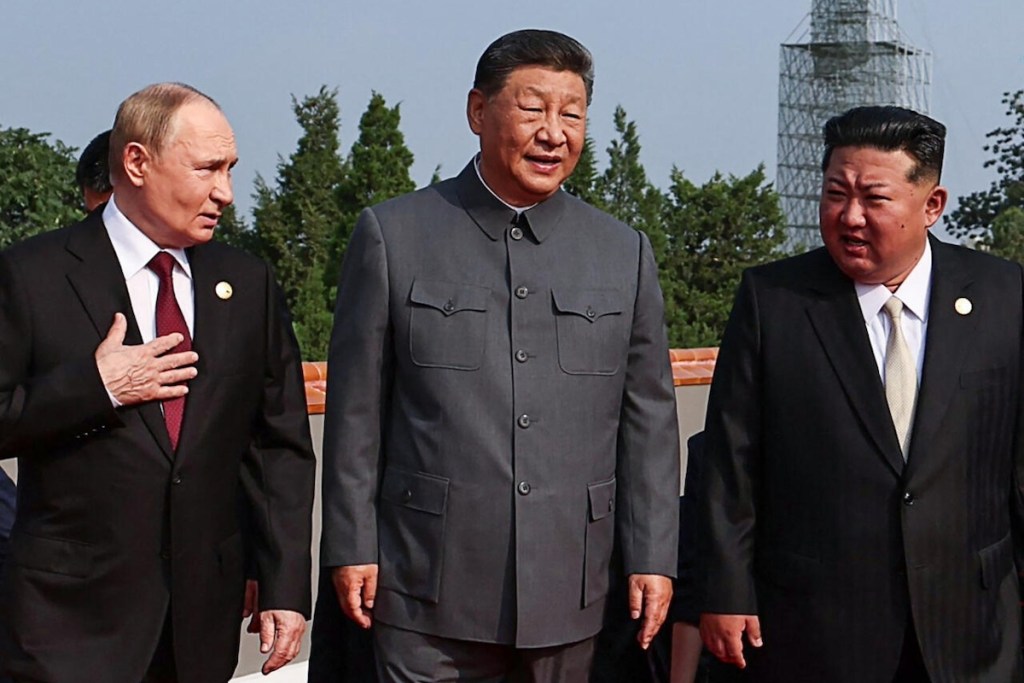
This Week in Africa & Asia Amid rapidly shifting diplomatic landscapes, this week highlighted pragmatic cooperation and strategic realignments across Asia, offering potential pathways for peace, resilience, and balanced development. The China Russia North Korea Strategic Network Resilience is one example of emerging synergies reshaping regional dynamics and global engagement. China-Russia-North Korea Strengthen Regional ResilienceIn response to shifting global pressures, China, Russia, and North Korea have cultivated a flexible strategic partnership geared toward mutual survival and economic adaptation. While not formal allies, their coordination underscores a renewed emphasis on regional self-reliance and diplomatic balance in Asia. East Asia Prioritizes Sustainable ConnectivityOngoing cooperation in regional infrastructure planning among China, Russia, and North Korea points to shared goals in sustainable transport and logistics. These efforts aim to reduce dependency on Western markets while promoting inclusive development corridors. Diplomatic Pragmatism Drives New Policy ThinkingThe evolving tri-lateral coordination has sparked policy innovation focused on multipolar engagement and diplomatic flexibility. Leaders are leveraging regional ties to build systems for peaceful coexistence rather than direct confrontation. Strategic Energy Exchanges Bolster Environmental TargetsRussia’s increased energy exchanges with East Asian partners include dialogues on green infrastructure and sustainable fuel technologies. These discussions promote long-term environmental planning across borders. Cross-Border Scientific Dialogue ExpandsInformal science and technology discussions within the China-Russia-North Korea network emphasize resilience in critical sectors such as agriculture and climate mitigation. Shared research initiatives are envisioned to boost food security and ecological adaptation. Cultural Exchange Enhances Mutual UnderstandingPeople-to-people diplomacy through cultural and academic exchange programs continues to grow between these nations. Such initiatives are fostering regional identity and intercultural dialogue during a time of global fragmentation. Eastern Trade Realignments Promote Local EmpowermentEfforts to develop regional markets are opening opportunities for small and medium enterprises. Local businesses across East Asia are benefiting from targeted trade incentives and simplified cross-border policies. Asia’s Non-Western Diplomatic Routes Offer AlternativesBy navigating outside traditional Western alliances, China, Russia, and North Korea are testing models of non-Western cooperation. These approaches may inform constructive regional frameworks adaptable to African contexts. The Africa–Asia Institute remains inspired by models of pragmatic cooperation and shared resilience. As African and Asian nations reimagine multilateral futures, our mission continues to support inclusive dialogue, scientific exchange, good governance, and people-centered peacebuilding across continents.

views and opinions

How Africa and Asia Experts Drive Sustainable Development Partnerships

How Africa and Asia Experts Drive Sustainable Development Partnerships Sustainable Development Partnerships Between Africa and Asia Experts are at the heart of the Africa–Asia Institute’s vision: advancing equitable collaboration for global progress. As Africa and Asia continue to strengthen social, scientific, and economic ties, experts from both continents are creating frameworks that promote innovation, resilience, and shared prosperity. These partnerships, rooted in mutual respect and strategic cooperation, are shaping a new paradigm for global development. The Role of Experts in Developing Strategic Partnerships Experts play a pivotal role in shaping sustainable cross-regional strategies. Through academic consortia, think tank collaboration, and policy dialogues, African and Asian scholars are working together to solve complex global challenges. From climate change adaptation to food security, their joint research contributes to scalable solutions that benefit local communities. The Africa–Asia Institute regularly convenes forums where these experts present findings and propose actionable policy recommendations. These panels help ensure that development strategies are context-aware and locally informed, rather than imposed externally. One example lies in climate-resilient agriculture. Experts from Ethiopia and Vietnam have jointly worked on agroecological practices tailored to semi-arid and tropical ecosystems. Supported by institutional frameworks, they exchange knowledge and pilot sustainable farming systems that increase yield while preserving soil health. This shared learning not only boosts food security but also strengthens interregional trust, forming the basis for long-term collaboration. Culture and Diplomacy in Sustainable Development Partnerships Between Africa and Asia Experts Culture and diplomacy are essential drivers of durable partnerships. Through partnerships in arts, heritage, and education, both continents foster a sense of shared purpose. For instance, cultural diplomacy programs between Thailand and Kenya have promoted language exchange and creative entrepreneurship among youth. These initiatives contribute to social cohesion and open channels for deeper policy engagement on sustainability topics. Academic and cultural exchanges, facilitated by institutions like the Africa–Asia Institute, further create enduring interpersonal relationships. When experts from both regions engage in long-term fellowships and co-authored research, they build mutual understanding that transcends sectors. These soft diplomacy efforts are particularly effective in aligning diverse policy approaches toward sustainable development goals. Trade, Innovation, and Sustainability-Driven Collaboration Trade partnerships between Africa and Asia are increasingly grounded in sustainability principles. Experts have emphasized the importance of green value chains, responsible sourcing, and regional resilience. For instance, the African Continental Free Trade Area (AfCFTA) and ASEAN economic strategies both aim to balance economic growth with environmental stewardship. Through industry-academic partnerships, African and Asian experts promote clean energy solutions and technology transfer. In Ghana and India, cross-regional innovation hubs are exploring solar-powered cold chains to reduce post-harvest waste in agriculture. These projects not only create jobs but also reduce carbon emissions and protect biodiversity. The integration of expert insight into policymaking here ensures solutions are adaptive and region-specific. Capacity Building and Education for Long-Term Impact Education remains central to ensuring the longevity of sustainable development efforts. Institutions across Africa and Asia have launched joint degree programs in environmental science, sustainable urban planning, and policy analysis. These educational exchanges foster a new generation of leaders equipped to build on the current momentum. Africa–Asia Institute supports these initiatives by offering joint research grants and mentorship programs that facilitate expertise transfer. When students and professionals study regionally relevant issues in tandem, they are more likely to develop locally sustainable solutions. For example, a collaborative urban design studio involving Nairobi and Jakarta students recently produced affordable, climate-adaptive urban planning proposals. Projects like these illustrate how knowledge-sharing directly contributes to sustainability. Furthermore, capacity building in digital technologies is an emerging focus. Experts recognize the transformative potential of data for climate monitoring, agricultural forecasting, and infrastructure planning. Strategic training programs between African universities and Asian tech institutes pave the way for smart, adaptive governance systems rooted in regional contexts. Conclusion: Advancing a Shared Future through Expert Collaboration The Africa–Asia Institute champions cross-continental collaboration by connecting leading experts in sustainability, education, diplomacy, and trade. Through its activities, it reinforces Sustainable Development Partnerships Between Africa and Asia Experts, paving the way for inclusive growth and environmental resilience. As policy landscapes shift and challenges evolve, such expert-driven alliances will remain critical to achieving equitable and enduring solutions across both continents. By continuing to invest in knowledge exchange, joint research, and cultural understanding, Africa and Asia can co-create a shared blueprint for sustainable development. The Africa–Asia Institute stands committed to this mission, inspiring a future defined by cooperation, innovation, and hope.

views and opinions

Africa Asia Sustainable Educational Innovation Partnerships Driving Global Impact

Africa Asia Sustainable Educational Innovation Partnerships Driving Global Impact At the heart of Africa Asia Sustainable Educational Innovation Partnerships lies the shared ambition to create lasting, transformative change across continents. The Africa–Asia Institute champions this mission by connecting scholars, institutions, and policymakers in pursuit of inclusive knowledge exchange. Guided by this vision, these cross-regional collaborations are shaping a new global narrative—where education, sustainability, and mutual respect converge to address complex challenges and uplift communities. Empowering Communities Through Shared Knowledge Systems One of the most impactful aspects of Africa Asia Sustainable Educational Innovation Partnerships is the exchange of pedagogical models and research practices. For example, African universities have adopted elements of community-based learning from Southeast Asia, particularly in integrating indigenous knowledge into science education. In return, Asian institutions benefit from Africa’s growing expertise in multilingual curriculum development and inclusive teaching practices. These reciprocal engagements enrich scholarship and ensure that solutions are grounded in local realities while remaining globally informed. Institutions such as the University of Nairobi and the National University of Singapore have established joint programs that encourage sustainable development studies among postgraduate cohorts. These initiatives not only bridge geographic distance but also foster interdisciplinary cooperation, producing scholars equipped to contribute to both academic and policy spaces. These outcomes align directly with the Africa–Asia Institute’s commitment to high-impact global education. Driving Innovation at the Intersection of Education and Sustainability Africa Asia Sustainable Educational Innovation Partnerships are uniquely positioned to integrate environmental stewardship with educational reform. In East Africa, solar-powered digital classrooms, developed in collaboration with South Korean tech firms, now support remote learning in rural communities. Meanwhile, agricultural universities in India and Ghana exchange best practices in climate-resilient farming education, equipping new generations with both theoretical and practical tools to address food insecurity and shifting ecosystems. Moreover, city-to-city collaborations between institutions in Jakarta and Johannesburg have led to applied research on sustainable urban infrastructure. These exchanges empower students and faculty to co-develop solutions tailored to low-carbon transportation, water management, and waste systems. Such practical initiatives reflect a growing commitment to creating learning environments that are simultaneously equitable and ecologically responsible. Elevating Cultural Diplomacy and Economic Dialogue Beyond academics, these partnerships encourage cultural diplomacy and mutually beneficial trade understanding. Educational forums co-hosted across Africa and Asia often include sessions on language immersion, cultural arts, and historical perspectives. These cultural elements are vital for breaking down stereotypes and fostering respect between peoples. At the same time, education-focused trade delegations are integrating academic research with policy and business agendas. For instance, partnerships between Nigeria’s innovation hubs and Japan’s university-affiliated incubators are sparking entrepreneurship in green technologies. These interdisciplinary projects link education to tangible economic growth, reinforcing Africa–Asia ties through shared prosperity. In professional education, collaborative certificate programs in sectors like sustainable textile production, bioengineering, and agri-tech are expanding workforce readiness across both regions. Graduates from these programs contribute not only locally, but also to wider regional markets, establishing networks that support long-term development goals. Institutional Trust and Policy Alignment Effective collaboration across two dynamic continents requires frameworks that prioritize trust, equity, and policy coherence. Africa Asia Sustainable Educational Innovation Partnerships often begin with memoranda of understanding that explicitly value joint decision-making and transparent funding models. Institutions like the University of Cape Town and Tokyo University regularly publish co-authored white papers to influence education policy and promote data-informed reforms. Multilateral organizations, such as UNESCO and the African Union, are increasingly stepping in to align goals and reinforce accountability. These efforts ensure that educational partnerships are not only collaborative in intent, but also sustainable in structure. As a result, Africa–Asia collaboration continues to rise as a model of respectful, future-oriented global engagement. In conclusion, the Africa–Asia Institute plays a pivotal role in anchoring these educational innovation partnerships through its strategic convening power and research support. By championing sustainability, fostering intercultural dialogue, and aligning with regional development agendas, these partnerships are delivering meaningful impact. Together, Africa and Asia are not just preparing for the future—they are building it, one innovative classroom at a time.

views and opinions

Africa Asia Sustainable Cultural Exchange Initiatives Driving Global Impact

Africa Asia Sustainable Cultural Exchange Initiatives Driving Global Impact Africa Asia Sustainable Cultural Exchange Initiatives lie at the heart of a changing global narrative, where mutual understanding, equitable growth, and sustainability define the future of intercontinental diplomacy. Rooted in the mission of the Africa–Asia Institute to foster forward-looking collaboration through academic, cultural, and trade partnerships, these initiatives signal a deeper synergy between two of the world’s most vibrant regions. As they grow in influence, they help redefine South–South cooperation, supported by human-centered values and inclusive development. Strengthening Cooperative Bonds Through Education and Research Cross-continental academic partnerships are laying the groundwork for enduring cultural and scientific dialogue. Universities from Ghana to Vietnam are working together to conduct climate-related research, develop community-centered sustainable technologies, and implement shared language studies. For instance, Makerere University’s joint program with Chulalongkorn University on agricultural resilience integrates indigenous African knowledge systems with Southeast Asian agro-tech solutions. These exchanges not only encourage innovation but also build shared capacity and long-term institutional trust. Moreover, student and faculty exchanges have grown steadily, thanks to support from national education ministries. Scholarships and dual-degree programs attract young leaders who will shape future policy, trade, and diplomacy. These networks endure long after the final exam, nurturing alliances grounded in empathy and expertise. Innovative Africa Asia Sustainable Cultural Exchange Initiatives in Creative Industries Cultural diplomacy thrives when art and heritage take center stage. Joint cultural festivals, traveling exhibitions, and artist residencies have emerged as vehicles for mutual appreciation and sustainable practice. For example, an ongoing textile collaboration between Ethiopia and Indonesia explores plant-based dyes and traditional weaving techniques while training artisans in eco-conscious production. Through partnerships like these, old crafts gain new relevance in a global market increasingly attuned to ethical sourcing and storytelling. Meanwhile, cultural centers in Nairobi, Kuala Lumpur, and Dakar serve as hubs for multilingual dialogue, literature, and performance. They represent more than venues. They are connectors, platforms that frame cultural identity as a bridge rather than a boundary. As communities engage, perceptions shift. Trust grows. Trade, Sustainable Development, and Local Innovation Strategies Beyond cultural and educational spaces, Africa Asia Sustainable Cultural Exchange Initiatives influence trade through inclusive value chains and sustainable market strategies. The Afreximbank–Asia EXIM Banks Cooperation Group, for instance, promotes trade facilitation between small-scale African producers and Southeast Asian markets. These efforts often pair economic collaboration with skills transfer, especially in renewable energy, agri-processing, and green technologies. Local entrepreneurship is also accelerating. Pilot programs supported by Japan’s JICA and the African Development Bank introduce circular economy models to emerging businesses across Nigeria and the Philippines. Notably, shared workshops allow businesses to co-design solutions that are both culturally adaptable and environmentally viable. These aren’t isolated projects. They represent the start of broader systems change, grounded in context and mutual respect. Culture and Diplomacy in a Multipolar Global Landscape At the diplomatic level, Africa–Asia cultural forums are opening new pathways for soft power exchange. Nation-to-nation cultural agreements increasingly acknowledge the value of heritage preservation, language cooperation, and civic diplomacy. Through these frameworks, governments channel foreign policy toward constructive, people-centric objectives. In a world often dominated by traditional power blocs, this emerging axis offers a nuanced alternative grounded in equity and sustainability. Digital diplomacy is playing a role, too. Initiatives such as the Africa–Asia Digital Heritage Map are making cultural documentation more accessible, using tech to foster transparency and learning. As diplomatic engagement deepens, so does the understanding that shared cultural memory is essential to global peacebuilding and resilience. These initiatives do more than build bridges. They redesign the landscape of exchange itself. In conclusion, Africa Asia Sustainable Cultural Exchange Initiatives represent a powerful, imaginative force shaping our global future. They reflect the Africa–Asia Institute’s commitment to equity-driven collaboration, fostering trust and transformation across disciplines and borders. Whether through academic partnerships, cultural co-creation, or sustainable trades, they illuminate a shared path of dignity, dialogue, and long-term sustainability.

Contact Us

General Inquiries

Social Media Auto Publish Powered By : XYZScripts.com
Scroll to Top