Weekly News Digest

Weekly News Digest

Africa–Asia Weekly Digest

“`html This Week in Africa & Asia Explore this week’s positive initiatives in governance, cooperation, and diplomacy across Africa and Asia, showcasing the impact of the Iran-US conflict on China’s strategic advantage and beyond. Impact of Iran US Conflict on China Strategic Advantage: Analysts highlight that while the Iran-US conflict reshapes regional strategies, China’s non-interventionist approach positions it favorably to enhance its influence across Asia, promoting strategic alliances. Diplomatic Advancements in Asia: Amid geopolitical shifts, Asian nations are expanding diplomatic ties, leveraging regional networks for enhanced cooperation and stability. Governance Innovations in Africa: African countries are pioneering governance reforms, focusing on digital transformation to boost transparency and efficiency in public sectors. Environmental Partnerships: Collaborative projects between African and Asian nations are fostering sustainable practices, targeting major environmental concerns with innovative solutions. Cultural Exchange Programs Flourish: Initiatives to bridge cultures between Africa and Asia are growing, with educational exchanges fostering mutual understanding and respect. Scientific Collaboration Boosted: Joint scientific research projects between African and Asian institutions drive innovation in healthcare and technology, addressing shared challenges. These developments align with the Africa–Asia Institute’s vision of fostering cooperation and understanding, demonstrating that even in a backdrop of global tensions, constructive progress is possible. “`

Weekly News Digest

Africa and Asia This Week

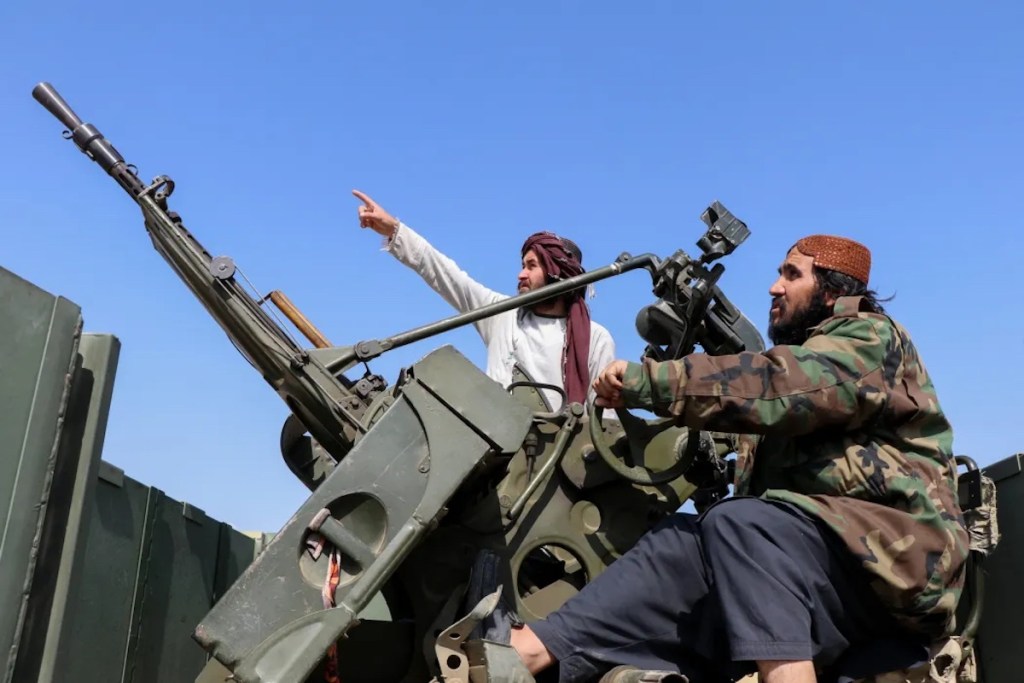
“`html This Week in Africa & Asia Pakistan Afghanistan Border Conflict Escalation Analysis: Recent diplomatic engagements between Pakistan and Afghanistan highlight a commitment to mitigating border tensions and fostering a more peaceful coexistence. Key diplomatic figures emphasize the potential for enhanced communication channels to prevent further escalations. Regional Cooperation Strengthens: Efforts to boost regional cooperation through multilateral dialogues are being reinforced by both nations, aiming to address shared challenges and promote stability along the Pakistan-Afghanistan border. Cultural Exchange Initiatives: Across the Pakistan-Afghanistan border, renewed cultural exchange programs are being celebrated for their role in building mutual understanding and community ties amidst the current tensions. Scientific Collaborations for Peace: Science-led initiatives are being prioritized to address environmental challenges in the border regions, leveraging joint research projects to foster peace and collaboration. Environmental Diplomacy Gains Ground: Environmental diplomacy is emerging as a key focus, with both nations recognizing the critical need to address ecological concerns through cooperative efforts. Boosting Governance and Transparency: Both governments are advocating for improved governance and transparency in handling border disputes, underscoring the importance of fair processes and accountability. Emerging Opportunities for Peacebuilding: Peacebuilding organizations are actively working in border areas, cultivating grassroots initiatives to support long-term peace and reconciliation. Diplomatic Channels Reinforced: The strengthening of diplomatic channels is promising renewed dialogue opportunities, which are seen as pivotal to transforming historic tensions into constructive cooperation. As the Africa-Asia Institute, we continue to champion collaborative efforts that promote peacebuilding and sustainable development across these pivotal regions. By fostering dialogue and understanding, we aim to contribute positively to the peace process. “`

Weekly News Digest

Africa–Asia Weekly Digest

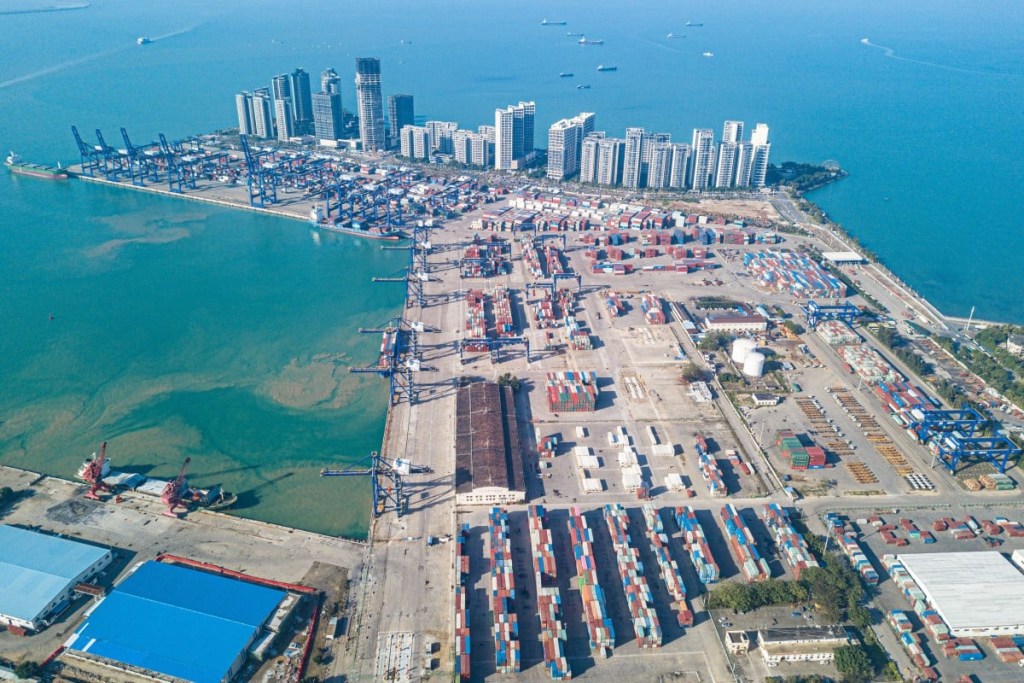
“`html This Week in Africa & Asia Explore the latest positive developments in governance, cooperation, science, environment, and cultural exchange this week from Africa and Asia. The Future of Globalization: Hainan Free Trade Port – China’s Hainan Free Trade Port is setting new standards for global trade by promoting a seamless and open economic environment, emphasizing low tariffs and deregulation. Regional Economic Growth – Hainan’s initiatives leverage globalization by improving frictionless ports which have become crucial economic drivers for regional growth. Strengthening Diplomatic Ties – The establishment of the Hainan Free Trade Port is fostering stronger diplomatic engagements between Asia and Africa, encouraging a collaborative global market. Innovative Governance Strategies – The strategic development plans being implemented in Hainan serve as a model for innovation in governance, aimed at enhancing economic cooperation. Eco-Friendly Economic Expansion – Hainan is integrating environmental safeguards into their trade policy, ensuring that economic expansion aligns with sustainability goals. Science and Technology Exchanges – New policies at Hainan Free Trade Port are set to boost scientific and technological exchanges between Asia and Africa, enriching both regions with shared knowledge and research advancements. Cultural Bridges – The Port’s economic policies are not only enhancing trade but also facilitating cultural exchanges, fostering understanding and peace between diverse cultures. Investment Climate Improvements – Hainan’s deregulation efforts enhance its appeal as an investment hub, demonstrating the positive impact of globalization in creating vibrant economic climates. Peace through Economic Collaboration – By participating in global trade, the Hainan Free Trade Port contributes to peacebuilding efforts through collaborative economic ties that reduce conflicts. The Africa–Asia Institute remains committed to fostering such constructive developments and exchanges, aiming for a future of shared prosperity and peace between Africa and Asia. “`

Weekly News Digest

Africa–Asia Weekly Digest

“`html This Week in Africa & Asia In a promising development for regional collaboration and innovation, Malaysia and India’s semiconductor trade partnerships are set to revitalize bilateral ties. This week’s highlights capture constructive strides in governance, trade, and cultural exchange across the regions. Malaysia and India have identified the semiconductor trade as a pivotal sector to rejuvenate their economic partnership. Recent diplomatic engagements signal a renewed focus on technological collaboration. The brief yet significant visit by Indian Prime Minister Narendra Modi to Malaysia emphasizes stronger trade and investment strategies, reinforcing the special relationship between the two nations. This renewed bilateral focus is expected to bring about substantial investments in Malaysia’s semiconductor industry, potentially invigorating regional economic growth and innovation. The strategic alignment between Malaysia and India in the semiconductor sector highlights an opportunity for collective economic resurgence, driven by shared technological aspirations. With a focus on sustainable growth, the Malaysia-India partnership in semiconductors could lead to transformative advancements in regional technology and infrastructure. As these nations deepen their cooperation, they set a precedent for regional stability and prosperity, fostering an environment conducive to peacebuilding and cultural exchange. These constructive initiatives align with the Africa–Asia Institute’s mission to promote cooperation, innovation, and peace through strategic international partnerships. “`

Weekly News Digest

Africa–Asia Weekly Digest

This Week in Africa & Asia Amid rising technological shifts and cross-continental partnerships, this week spotlights Asia’s research frontier and its implications for future global cooperation—particularly in the ever-evolving realm of space security and innovation. China’s High-Power Microwave Weapon Advances Satellite Security Dialogue A newly unveiled Chinese high-power microwave weapon—described by scientists as a countermeasure to Low-Earth Orbit satellite constellations—signals a pivotal movement in non-kinetic defense technologies. While framed in strategic terms, this development opens fresh avenues for international dialogue on peaceful uses of space and responsible innovation. Asia’s Leap in Non-Kinetic Defense Heralds Global Tech Governance Needs The development of non-explosive, energy-based assets like China’s truck-mountable HPM system is catalyzing conversations around ethical frameworks for emerging technologies. Experts highlight the need for cooperative governance to ensure such breakthroughs enhance security without sparking new tensions. From Defense to Disaster Response: HPM Potential Broadens Researchers suggest that high-power microwave systems, initially designed for military utility, may also support disaster mitigation by disabling rogue or malfunctioning satellites safely. Such dual-use potential creates opportunities for cross-sector innovation between Asia and African space research communities. Innovation Spurs Asia-Africa Collaboration Prospects Asia’s momentum in high-frequency directed-energy systems is inspiring African universities and research centers to explore joint technology incubators. These partnerships could strengthen shared capacity in space monitoring, cybersecurity, and peaceful satellite applications. China’s Microwave Tech Could Propel Responsible Space Dialogues The focus on disabling rather than destroying orbital infrastructure encourages conversations around ethical, non-destructive conflict prevention tools. African policy institutes are expressing growing interest in joining forums on space governance with their Asian counterparts. Education and Research Exchange on New Defense Sciences Expands Following recent breakthroughs, technical universities in both Asia and Africa are ramping up curricula on electromagnetic technologies and their civilian applications. Cooperative learning platforms are being scaffolded to enhance next-generation capabilities in science and diplomacy. Satellites, Sovereignty, and South–South Cooperation As satellites become pivotal to global infrastructure, responsible innovation is aligning with the broader goals of digital sovereignty. Developing nations increasingly look towards each other—notably across Africa and Asia—for collaborative frameworks that ensure technology respects both peace and independence. Towards an Ethical Future for Emerging Defense Technologies The unveiling of the microwave system has sparked renewed emphasis on creating robust international norms. Think tanks from both continents support initiatives that turn gains in high-tech development into tools for peacebuilding and collective resilience. At the Africa–Asia Institute, we continue to highlight technology’s transformative power when guided by principles of equity, peace, and cooperation. As horizons expand through science and innovation, so too does our shared commitment to a more secure and connected world.

Weekly News Digest

Africa and Asia This Week

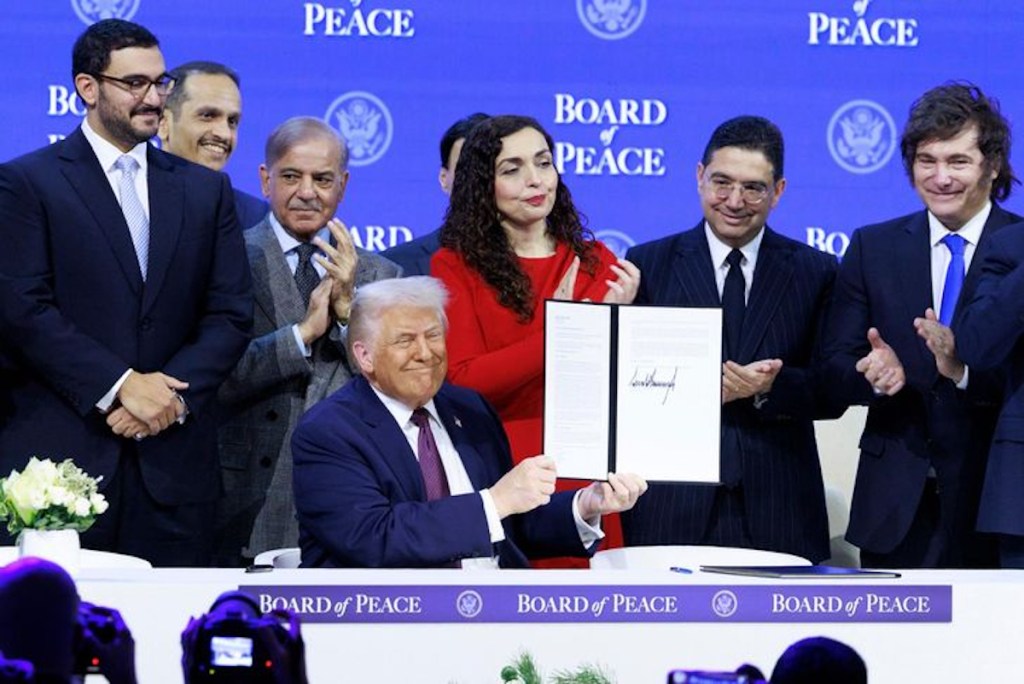
This Week in Africa & Asia Welcome to your weekly digest of constructive developments shaping peace, cooperation, and innovation across Africa–Asia relations. From new diplomatic initiatives to cutting-edge collaborations, here are the highlights advancing shared prosperity. Eclectic Coalition Peacemaking under UN Resolution 2803The newly formed Board of Peace, initiated by UN Resolution 2803, brings together an eclectic coalition—including the UAE, Pakistan, and Turkey—to complement, not replace, the UN Security Council. Focused on pragmatic solutions, this initiative marks a bold step toward inclusive, adaptable peacebuilding in and beyond the Gaza context. Middle Power Diplomacy Gains MomentumThe Board of Peace embodies a shift toward regional diplomacy led by influential middle powers. By prioritizing outcome-driven negotiations, these nations are reshaping multilateralism with a focus on effectiveness and trust-building across cultures. Expanding South–South Dialogues for PeacePakistan, Qatar, and Turkey’s inclusion in peace frameworks underscores the rising significance of South–South partnerships. Their roles in the Board of Peace illustrate growing confidence in regional leadership for addressing global conflicts. Africa’s Continued Voice in Multilateral Peace StructuresAlthough not direct members of the Board of Peace, several African diplomats have praised the initiative as a model for inclusive coalitions. The emphasis on diverse diplomatic engagement resonates with Africa’s calls for equitable contributions in global security. Rethinking Global Governance Through InnovationThe Board of Peace reframes peacekeeping by experimenting with consensus alternatives and tailored approaches to diplomacy. Such reforms could inspire modernization within international institutions, benefiting Africa–Asia joint platforms. Peacebuilding Beyond Conflict ZonesWhile born from the Gaza crisis, the Board of Peace’s structure allows flexibility to address future global flashpoints. Its adaptive model suggests long-term relevance for regions affected by instability, including shared African and Asian concerns. Strengthening Multiregional Trust NetworksBy integrating diverse political cultures, the Board fosters cross-regional trust—critical for durable peace accords. It highlights the potential for Afro-Asian diplomatic ecosystems to offer fresh frameworks for global cooperation. Towards a More Balanced Global OrderRather than replacing established mechanisms, the Board of Peace enhances global governance by introducing parallel tracks for dialogue. It opens space for Africa and Asia to champion equitable voices in international decision-making. At the Africa–Asia Institute, we continue to advocate for inclusive models of diplomacy, sustainable development, and peaceful cooperation. These stories reinforce our belief that cross-continental collaboration is key to a resilient future.

Weekly News Digest

Africa–Asia Weekly Digest

This Week in Africa & Asia From cross-cultural dialogue to emerging shifts in gender narratives, this week highlights positive steps toward inclusive partnerships and ethical global cooperation across Africa and Asia. Rethinking Traditional Gender Roles in International Marriage Markets: New discussions are emerging around the portrayal of women in global matchmaking platforms. Scholars are pushing for more ethical narratives and policy oversight to counter outdated norms and foster equitable relationships in transnational unions. Growing Feminist Dialogue Across Borders: Women-led organizations in Southeast Asia and parts of Africa are collaborating to challenge stereotypes in cross-cultural unions. These partnerships aim to educate communities and encourage holistic views on identity, gender, and culture. Academic Voices Promote Ethics in Global Matchmaking: Researchers are shedding light on how international dating platforms can reinforce stereotypes. Their advocacy supports greater cultural sensitivity, empowering communities through informed public discourse. Gender Justice Education Expands in Asia-Pacific and Africa: Universities are incorporating gender equity modules into their curriculum, with a focus on global relationships and power dynamics. These programs are fostering critical thinking among youth and future leaders about gender, migration, and fair representation. Peacebuilding Ties Strengthen Through Cultural Awareness: Activists in Africa and Asia are using storytelling to address inequality linked to traditional roles in marriage. This cultural approach promotes dignity, mutual understanding, and advocacy for women’s agency. Diplomatic Circles Embrace Social Norms Reform: Policymakers from both continents are recognizing the need to modernize outdated perspectives in bilateral social agreements. The discussions signal growing awareness about ethical governance of cross-border personal relationships. Grassroots Movements Respond with Support Networks: Community initiatives are growing to support migrants navigating intercultural marriages. These efforts build trust and solidarity, advancing a more inclusive global dialogue on love, identity, and equality. Ethical Tech Design Gains Ground in Matchmaking Platforms: Digital developers are beginning to integrate consent, equity, and representation into dating technologies serving Asia-African users. This shift supports intentional, respectful connections across cultures. Toward a more just and collaborative future, the Africa–Asia Institute continues to uplift research, dialogue, and policies that respect cultural diversity while promoting shared human values.

Weekly News Digest

Africa–Asia Weekly Digest

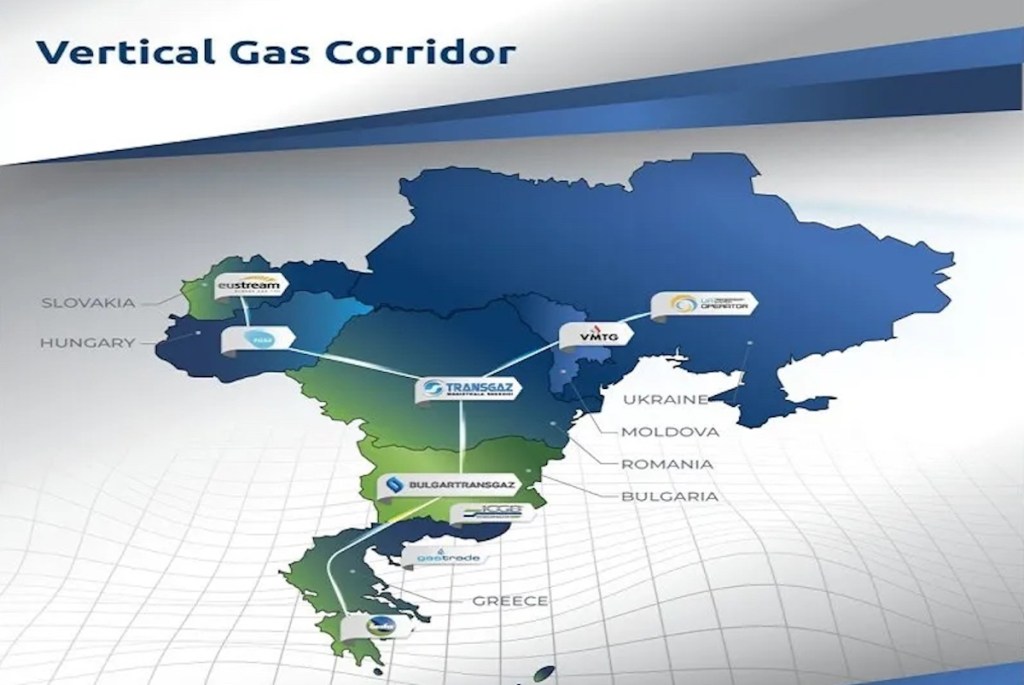
This Week in Africa & Asia This week highlights promising developments across interregional diplomacy, energy cooperation, and economic realignment. From new energy corridors to peaceful restructuring of global alliances, Africa and Asia continue to find space for connection and collaboration in a shifting geopolitical landscape. US LNG exports shift energy dynamics, easing East-West tensions Ukraine’s strategic move to import American liquefied natural gas (LNG) via Greece’s Vertical Gas Corridor is reshaping regional supply chains. This development contributes to energy diversification and illustrates the broader impact of US LNG exports on Russia-Turkey relations, prompting peaceful reconfigurations in Eurasian energy diplomacy. Greece emerges as a key transit hub in international energy cooperation Greece’s role in facilitating LNG transit from the US to Central and Eastern Europe underscores its growing influence in cross-continental energy partnerships. The initiative boosts regional interdependence while reinforcing EU energy security efforts through peaceful collaboration. Peaceful energy transitions foster broader Eurasian cooperation Joint infrastructure initiatives among Ukraine, Poland, and Croatia signal a multilateral approach to securing responsible energy sources. These cooperative ventures support the gradual detachment from conflict-prone supply routes and increase long-term regional stability. Energy diplomacy paves the way for constructive dialogue Reduced reliance on single-supplier energy systems creates space for new diplomatic channels among nations. This transformation offers opportunities for peacebuilding by aligning energy security with shared economic interests. Economic corridors promote strategic diversification The Vertical Gas Corridor, backed by the US and European partners, strengthens infrastructure links between Asia, Europe, and beyond. Such developments help bridge interregional gaps and offer shared benefits through sustainable cooperation. Soft power through energy: A catalyst for governance reforms Transparent international energy deals encourage good governance and economic resilience. The West’s LNG partnerships with Eastern European states are setting new standards in contractual clarity, oversight, and regional cooperation. International energy flows stimulate intercontinental dialogue The recalibration of global energy routes via the Eastern Mediterranean opens new avenues for Asia-Africa engagement. As existing networks evolve, so does the potential for future partnerships in renewable energy and technology exchange. Together, these shifts reaffirm our shared vision: a world where sustainable development, peaceful co-existence, and collaborative innovation guide Africa–Asia relations into a brighter future.

Weekly News Digest

Africa–Asia Weekly Digest

This Week in Africa & Asia Our curated digest highlights purposeful strides across Africa and Asia in civil governance, diplomacy, and sustainable development. This week, we spotlight constructive shifts and collaborations shaping a more inclusive and resilient future—from Indonesia’s evolving political discourse to continental partnerships unlocking long-term growth. Indonesia signals a shift in civic dialogue under Prabowo SubiantoAs President Prabowo Subianto’s administration marks its first year, Indonesia faces public discourse on civil liberties. While concerns remain, structured forums and academic circles are increasingly engaging authorities to advocate for civic freedoms within a national development agenda—creating opportunities for dialogue and democratic resilience. ASEAN fosters deeper cooperation on climate-smart investmentSoutheast Asian nations, in collaboration with global partners, are pushing forward a joint strategy to attract climate-resilient infrastructure investment. The initiative emphasizes blended finance and cross-border innovation, reinforcing regional stability through environmental cooperation. African and Asian youth join forces for peacebuilding through cultureYouth-led hubs in Kenya and Indonesia launched new cultural exchange programs focused on storytelling, digital theater, and music. These initiatives aim to promote mutual understanding and peaceful coexistence among communities with shared colonial legacies and rich indigenous traditions. Indonesia invests in science diplomacy across the Indian Ocean RimIndonesia is expanding scientific collaboration with East African coastal nations through shared marine research programs. These efforts emphasize sustainable fisheries, ecosystem preservation, and disaster risk reduction—strengthening regional ties and knowledge sharing. Digital governance reform scales up transparency in Southeast AsiaSeveral governments, including Indonesia and the Philippines, launched open-data platforms this month. These tools are enabling civil society and academic groups to monitor public procurement, contributing to transparency and reducing corruption risks. Indonesia, Japan, and Ethiopia co-create agricultural innovation hubsA trilateral initiative launched this week aims to improve smallholder food systems through drone-assisted irrigation and climate-adaptive seed trials. The knowledge exchange is bridging capacity gaps and offering scalable models for food security in both Africa and Asia. Universities lead green diplomacy across continentsTop universities in South Africa, India, and Indonesia signed a pact to co-develop green technology curricula. The agreement fosters scientist exchanges and green entrepreneurship among emerging environmental leaders from across the Global South. Women-led diplomacy initiatives gain momentum in Africa-Asia engagementWomen diplomats from Senegal, Thailand, and Indonesia launched a new regional platform aimed at advancing gender-equitable governance. The platform will host policy dialogues, mentoring programs, and joint research on inclusive peacebuilding. At the Africa–Asia Institute, we believe in spotlighting progress while encouraging thoughtful engagement. These dynamic stories reflect the growing synergy between African and Asian nations committed to peace, shared prosperity, and sustainable governance.

Weekly News Digest

Africa–Asia Weekly Digest

This Week in Africa & Asia Amid global challenges, constructive action in governance, peacebuilding, and regional cooperation continues to shape a resilient future. With increased attention on corruption and crisis management, nations are responding with reform and strategic recalibration. We highlight encouraging developments from across Africa, Asia, and global partnerships. Ukraine Energy Corruption Impacting Military Strategy Spurs Reform In response to recent revelations of corruption in the energy sector, Ukraine is launching swift audits and transparency measures to safeguard frontline operations. This pivot reaffirms commitments to institutional reform even amid wartime pressures, signaling opportunities for international governance partnerships. Japan Launches Renewable Energy Program with ASEAN Support Japan has pledged expanded support for Southeast Asia’s clean energy transitions, with a new regional initiative focused on solar, wind, and hydrogen. The move reinforces climate diplomacy while enabling sustainable development across ASEAN states. Pan-African Science Forum Proposes Intra-Continental Innovation Exchange Africa’s leading science ministers have proposed a knowledge-sharing platform to accelerate homegrown solutions in agriculture and health. The initiative is backed by Egypt and Rwanda, signaling stronger intra-African cooperation on science and education. India–Africa Academic Partnerships Grow Through Joint Institutes New Indo-African research centers are emerging under the India-Africa Knowledge Exchange Program, focusing on food security, AI, and public health. These collaborations empower cross-continental innovation rooted in local needs. Kazakhstan and South Korea Deepen Tech Diplomacy A new high-level agreement between Kazakhstan and South Korea will boost joint research in smart city infrastructure and green technology. This strategic partnership strengthens Asia’s regional innovation networks. Indonesia’s Peacebuilding Model Gains Global Attention Through sustained interfaith dialogue efforts, Indonesia’s pluralism-focused peace model is being shared with diplomats and mediators across Africa and Central Asia. The approach emphasizes resilience through cultural understanding and social inclusion. Kenya Hosts Africa–Asia Environment Dialogue Nairobi welcomed policymakers from 14 nations for a conference on shared environmental governance. Outcomes included joint pledges on ecosystem restoration and low-carbon development, reinforcing South–South climate solidarity. Bangladesh Advances Disaster-Ready Urban Planning In partnership with UN-Habitat, Dhaka has unveiled a master plan to integrate flood-resilient infrastructure into its urban development strategy. This proactive approach offers replicable solutions for cities across flood-prone regions in Africa and Asia. Together, these initiatives illustrate a vital momentum: from confronting corruption to cultivating peace and sustainable cooperation. The Africa–Asia Institute remains committed to supporting policy evolution, cultural exchange, and multilateral resilience in these dynamic regions.

Contact Us

General Inquiries

Social Media Auto Publish Powered By : XYZScripts.com
Scroll to Top