

This Week in Africa & Asia
From dynamic stock market movements to renewed partnerships, this week saw multiple indicators of resilience and cooperation shaping the Africa–Asia landscape. Here are the top constructive developments worth your attention:
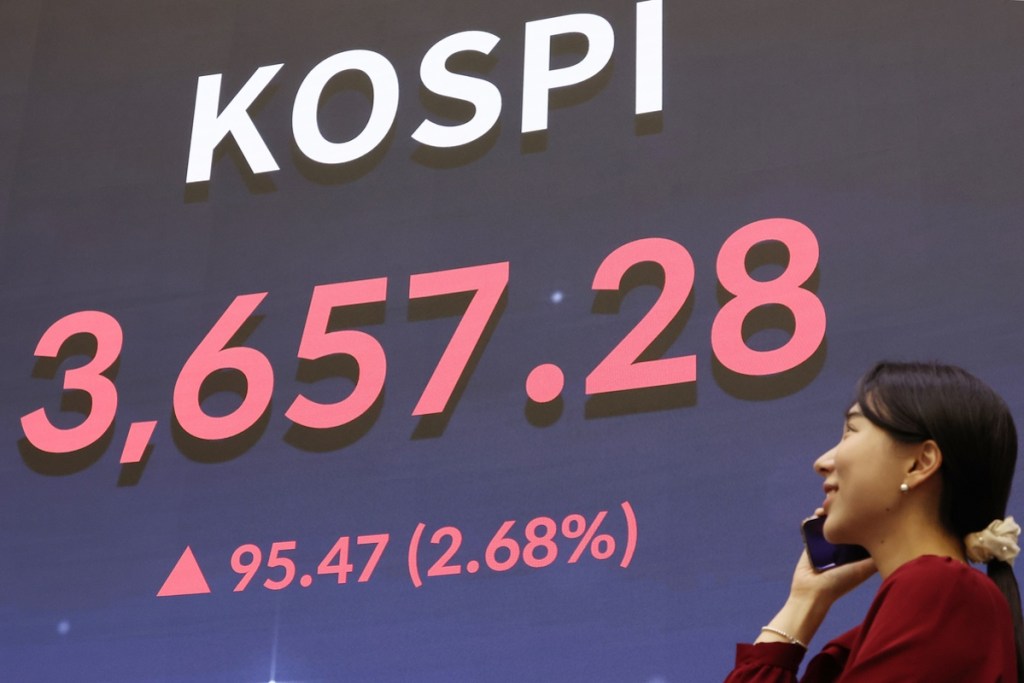
- South Korea Kospi Index Impact on Global Trade Dynamics: The South Korean Kospi index surged to an all-time high, underscoring investor confidence despite past global trade tensions. This growth reflects broader adaptability within Asia’s economies, hinting at new models of resilient interregional trade cooperation.
- Growing Confidence in South Korea’s Economic Outlook: The IMF raised South Korea’s 2025 growth forecast to 0.9%, a move that contributed to strong investor optimism and a record-breaking stock market close. This signals promising momentum for Asia’s role in stabilizing global economic trends.
- Intercontinental Trade Reimagined: The Kospi rally reaffirms that markets are moving beyond outdated trade war narratives, focusing instead on smart integration and collaboration. These shifts align closely with Africa–Asia Institute’s emphasis on equitable global partnerships.
- Tech Giants Drive Regional Growth: South Korean firms like Hyundai, Kia, and Samsung Electronics are leading in innovation and attracting foreign investment. Their cross-border success creates stronger trade linkages beneficial to African tech ecosystems eager to partner with Asian giants.
- Capital Markets Foster East–South Exchange: As financial markets in Asia stabilize, new opportunities arise for African sovereign wealth funds and investment boards to diversify through collaboration. Exchange programs and co-led infrastructure funds are increasingly viable pathways.
- Trade Stability Enhances Cultural Diplomacy: With economic improvements anchoring peace, countries in Asia are expanding their cultural diplomacy outreach—strengthening people-to-people bonds that Africa’s cultural institutions can build on.
- Shifting from Protectionism to Pragmatism: The Kospi’s performance highlights an emerging global consensus: cooperative economics trumps narrow nationalist trade models. This bodes well for multilateral efforts in climate financing, tech sharing, and development-focused diplomacy.
At the Africa–Asia Institute, we continue to spotlight these bright developments—fostering shared learning and stronger ties between two dynamic regions shaping the future.