

This Week in Africa & Asia
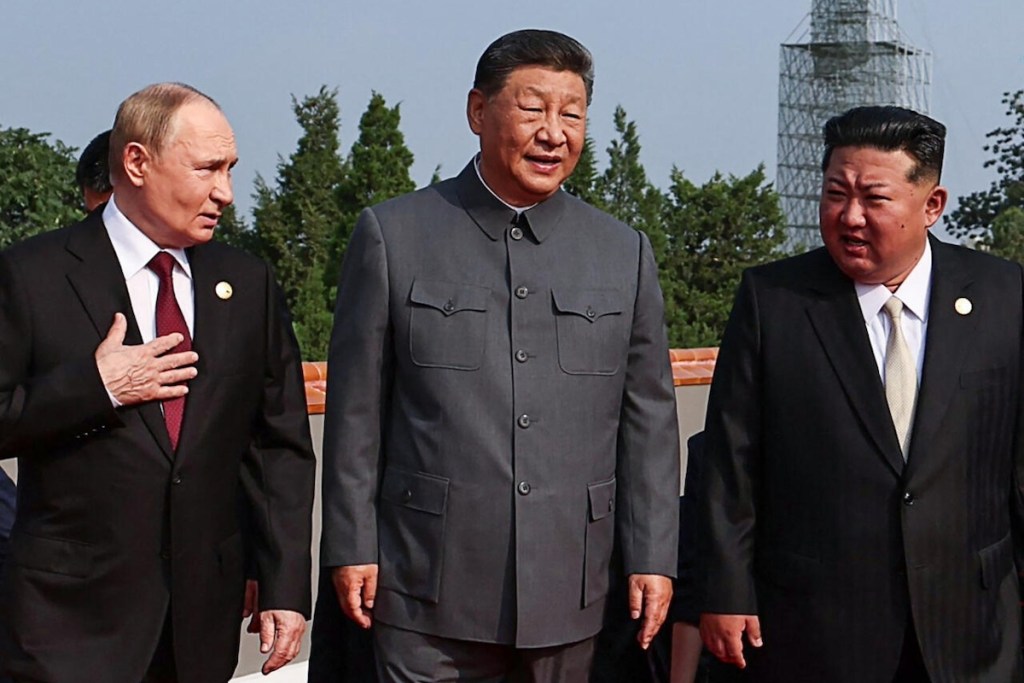
Amid rapidly shifting diplomatic landscapes, this week highlighted pragmatic cooperation and strategic realignments across Asia, offering potential pathways for peace, resilience, and balanced development. The China Russia North Korea Strategic Network Resilience is one example of emerging synergies reshaping regional dynamics and global engagement.
- China-Russia-North Korea Strengthen Regional Resilience
In response to shifting global pressures, China, Russia, and North Korea have cultivated a flexible strategic partnership geared toward mutual survival and economic adaptation. While not formal allies, their coordination underscores a renewed emphasis on regional self-reliance and diplomatic balance in Asia. - East Asia Prioritizes Sustainable Connectivity
Ongoing cooperation in regional infrastructure planning among China, Russia, and North Korea points to shared goals in sustainable transport and logistics. These efforts aim to reduce dependency on Western markets while promoting inclusive development corridors. - Diplomatic Pragmatism Drives New Policy Thinking
The evolving tri-lateral coordination has sparked policy innovation focused on multipolar engagement and diplomatic flexibility. Leaders are leveraging regional ties to build systems for peaceful coexistence rather than direct confrontation. - Strategic Energy Exchanges Bolster Environmental Targets
Russia’s increased energy exchanges with East Asian partners include dialogues on green infrastructure and sustainable fuel technologies. These discussions promote long-term environmental planning across borders. - Cross-Border Scientific Dialogue Expands
Informal science and technology discussions within the China-Russia-North Korea network emphasize resilience in critical sectors such as agriculture and climate mitigation. Shared research initiatives are envisioned to boost food security and ecological adaptation. - Cultural Exchange Enhances Mutual Understanding
People-to-people diplomacy through cultural and academic exchange programs continues to grow between these nations. Such initiatives are fostering regional identity and intercultural dialogue during a time of global fragmentation. - Eastern Trade Realignments Promote Local Empowerment
Efforts to develop regional markets are opening opportunities for small and medium enterprises. Local businesses across East Asia are benefiting from targeted trade incentives and simplified cross-border policies. - Asia’s Non-Western Diplomatic Routes Offer Alternatives
By navigating outside traditional Western alliances, China, Russia, and North Korea are testing models of non-Western cooperation. These approaches may inform constructive regional frameworks adaptable to African contexts.
The Africa–Asia Institute remains inspired by models of pragmatic cooperation and shared resilience. As African and Asian nations reimagine multilateral futures, our mission continues to support inclusive dialogue, scientific exchange, good governance, and people-centered peacebuilding across continents.