Author name: Africa Asia Institute

Weekly News Digest

Africa and Asia This Week

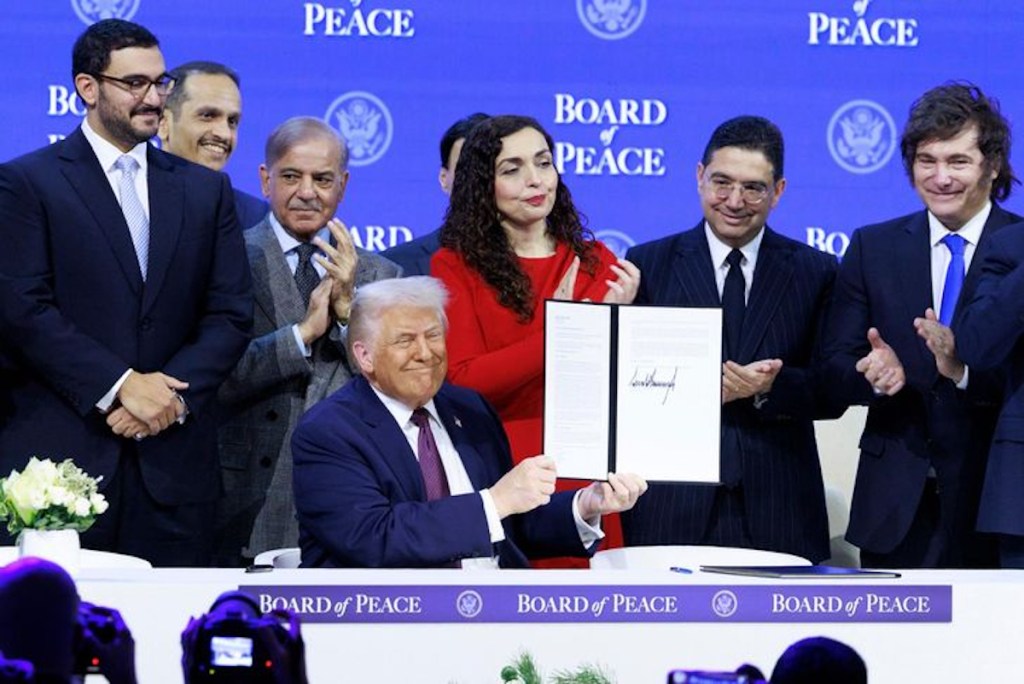
This Week in Africa & Asia Welcome to your weekly digest of constructive developments shaping peace, cooperation, and innovation across Africa–Asia relations. From new diplomatic initiatives to cutting-edge collaborations, here are the highlights advancing shared prosperity. Eclectic Coalition Peacemaking under UN Resolution 2803The newly formed Board of Peace, initiated by UN Resolution 2803, brings together an eclectic coalition—including the UAE, Pakistan, and Turkey—to complement, not replace, the UN Security Council. Focused on pragmatic solutions, this initiative marks a bold step toward inclusive, adaptable peacebuilding in and beyond the Gaza context. Middle Power Diplomacy Gains MomentumThe Board of Peace embodies a shift toward regional diplomacy led by influential middle powers. By prioritizing outcome-driven negotiations, these nations are reshaping multilateralism with a focus on effectiveness and trust-building across cultures. Expanding South–South Dialogues for PeacePakistan, Qatar, and Turkey’s inclusion in peace frameworks underscores the rising significance of South–South partnerships. Their roles in the Board of Peace illustrate growing confidence in regional leadership for addressing global conflicts. Africa’s Continued Voice in Multilateral Peace StructuresAlthough not direct members of the Board of Peace, several African diplomats have praised the initiative as a model for inclusive coalitions. The emphasis on diverse diplomatic engagement resonates with Africa’s calls for equitable contributions in global security. Rethinking Global Governance Through InnovationThe Board of Peace reframes peacekeeping by experimenting with consensus alternatives and tailored approaches to diplomacy. Such reforms could inspire modernization within international institutions, benefiting Africa–Asia joint platforms. Peacebuilding Beyond Conflict ZonesWhile born from the Gaza crisis, the Board of Peace’s structure allows flexibility to address future global flashpoints. Its adaptive model suggests long-term relevance for regions affected by instability, including shared African and Asian concerns. Strengthening Multiregional Trust NetworksBy integrating diverse political cultures, the Board fosters cross-regional trust—critical for durable peace accords. It highlights the potential for Afro-Asian diplomatic ecosystems to offer fresh frameworks for global cooperation. Towards a More Balanced Global OrderRather than replacing established mechanisms, the Board of Peace enhances global governance by introducing parallel tracks for dialogue. It opens space for Africa and Asia to champion equitable voices in international decision-making. At the Africa–Asia Institute, we continue to advocate for inclusive models of diplomacy, sustainable development, and peaceful cooperation. These stories reinforce our belief that cross-continental collaboration is key to a resilient future.


views and opinions

How Collaborative Green Trade Initiatives Unite Africa and Asia

How Collaborative Green Trade Initiatives Unite Africa and Asia In line with the Africa–Asia Institute’s mission to foster cross-continental collaboration and sustainable development, collaborative green trade initiatives Africa Asia are emerging as powerful tools for uniting diverse economies. These initiatives are not just about carbon neutrality or market access. They are about building long-term partnerships rooted in shared environmental values, technological exchange, and cultural diplomacy. Why Collaborative Green Trade Initiatives Matter to Africa and Asia Green trade is more than a trend. It reflects a growing consensus across both continents that economic growth must align with environmental sustainability. Africa, rich in renewable energy potential and biodiversity, and Asia, a hub of green technology innovation, offer complementary strengths. Through collaborative efforts, the two regions can co-create supply chains that are sustainable, resilient, and inclusive. For instance, Kenya and South Korea have launched joint programs focused on solar microgrid distribution, addressing local energy access while fostering bilateral trade. Similarly, Vietnam and Rwanda are exploring agricultural innovation through sustainable farming practices that reduce emissions and boost food security. These collaborations underline how trade becomes a vehicle for climate action when guided by green values and mutual respect. Building Partnerships: Collaborative Green Trade Initiatives Africa Asia in Action At the heart of these efforts lie dynamic partnerships between governments, research institutions, and private enterprises. Collaborative green trade initiatives Africa Asia embrace co-investment models where stakeholder input is valued at every level. The ASEAN–Africa Green Business Forum, held annually since 2019, serves as a platform for ecological entrepreneurs to showcase technology and share best practices. Moreover, academic networks like the Africa–Asia Environmental Scholars Consortium promote research on policy frameworks that facilitate sustainable trade. By aligning academic inquiry with policymaking, these networks ensure initiatives are both evidence-based and adaptable. Such synergy has already informed trade agreements that include environmental safeguards and social impact assessments across sectors from textiles to timber. Education, Culture, and Sustainable Trade Diplomacy Educational exchanges and cultural diplomacy play a subtle yet vital role in building the trust required for sustainable trade cooperation. Student mobility programs between universities in Ethiopia and Malaysia, for example, have catalyzed research on eco-packaging solutions using indigenous materials. These programs not only generate knowledge but also foster cultural empathy, essential for long-term bilateral collaboration. In addition, cultural heritage initiatives, like the African–Asian Sustainable Textiles Symposium, highlight how traditional knowledge systems contribute to sustainable design. By honoring these traditions within trade contexts, such forums help bridge cultural gaps while advancing environmental goals. Innovation and Policy: Driving Future Alliances Policy harmonization remains pivotal. Countries like Morocco and India have begun aligning their environmental standards for green exports. Legal frameworks that support clean technology transfer, ethical labor practices, and resource-efficient manufacturing are becoming integral to new trade deals. Innovation hubs across Lagos, Jakarta, and Dhaka are also nurturing start-ups that create value through circular economy principles. These start-ups, often driven by youth, demonstrate how next-generation trade can be both profitable and planet-friendly. As these hubs increasingly network across borders, they strengthen the backbone of future green trade alliances. Furthermore, blockchain technology is being explored to enhance supply chain transparency between African raw material producers and Asian green consumers. These digital tools foster ethical sourcing, reduce waste, and build consumer trust—key components of sustainable market systems. Conclusion: Advancing Africa–Asia Solidarity Through Green Trade Collaborative green trade initiatives Africa Asia are more than economic strategies. They represent a transformative approach to intercontinental solidarity, grounded in sustainability and mutual growth. As we look ahead, these initiatives will continue to guide cooperative action against climate change, while also nurturing vibrant, inclusive trade ecosystems. The Africa–Asia Institute proudly supports these efforts as part of its broader mission to catalyze innovation, foster dialogue, and promote equitable development across both regions. With thoughtful engagement and sustained partnerships, green trade can become a bridge that connects and uplifts communities from Cairo to Kyoto and beyond.

views and opinions

Sustainable Cultural Diplomacy Initiatives Driving Africa–Asia Ties

Sustainable Cultural Diplomacy Initiatives Driving Africa–Asia Ties In recent years, sustainable cultural diplomacy initiatives have become vital cornerstones of robust Africa–Asia collaboration. As the global landscape shifts toward multipolar partnerships, the Africa–Asia Institute is committed to fostering deeper cultural, educational, and economic exchanges rooted in mutual respect and long-term progress. These efforts align with the Institute’s mission to enhance cooperation and knowledge flows between the two continents, empowering local communities while supporting regional and global sustainability goals. Sustainable Cultural Diplomacy Initiatives Africa Asia Collaboration One compelling example of this evolving cooperation is the growing network of university partnerships between African and Asian institutions. Collaborative academic programs in environmental science and social innovation are enabling cross-continental knowledge exchange. For instance, the University of Lagos and Kyoto University have launched joint research projects focused on renewable energy solutions adapted to tropical climates. These initiatives not only drive academic excellence but also prepare students as cultural ambassadors equipped to address shared development challenges through local context and global insights. Beyond academia, cultural diplomacy through the arts has offered powerful pathways to mutual understanding. Co-sponsored festivals, such as the Nairobi–Jakarta Cultural Dialogue, have highlighted common threads in traditional music, dance, and storytelling. These events bring communities together while celebrating regional identities, highlighting how creativity can transcend borders and support sustainable peacebuilding. Furthermore, workshops led by artisans from Morocco and Indonesia have helped preserve endangered crafts, linking sustainability with cultural preservation in practical, community-led ways. Trade, Education, and Innovation as Vectors of Diplomacy Trade and education are increasingly intertwined with cultural diplomacy strategies. Programs that combine language instruction with entrepreneurial training are enhancing export readiness in sectors like fashion, agri-tech, and digital services. For example, Ghana’s partnership with South Korea has provided cultural and technical exchanges that equip young African entrepreneurs with the skills to navigate Asian markets. These initiatives go beyond commerce. They sow the seeds of long-term, respectful partnerships based on shared values of resilience and innovation. The environmental dimension of cultural diplomacy is also gaining prominence. City-to-city partnerships between African and Asian municipalities are addressing urban sustainability and climate adaptation through cultural exchange. Case in point: the green city collaboration between Kigali and Singapore includes not only environmental technology sharing but also public engagement through shared heritage events and youth climate leadership programs. Such multipronged efforts illustrate that sustainable solutions are most impactful when grounded in cultural insight and local agency. Importantly, many of these initiatives are co-designed, reflecting a shift away from transactional diplomacy toward co-creation. Whether through bilateral museums, cross-border internships, or the co-production of films, stakeholders from both continents are shaping narratives of cooperation rooted in equality and mutual benefit. This horizontal approach distinguishes sustainable cultural diplomacy from traditional models, reinforcing long-lasting ties that adapt and grow with emerging challenges and opportunities. All these efforts echo the broader mission of the Africa–Asia Institute—to foster transformation through inclusive knowledge exchange, ethical engagement, and sustainable development. By elevating sustainable cultural diplomacy initiatives under the banner of Africa–Asia collaboration, the Institute champions a future where shared heritage and innovation lead the way toward a more integrated, resilient, and culturally rich world.

Weekly News Digest

Africa–Asia Weekly Digest

This Week in Africa & Asia From cross-cultural dialogue to emerging shifts in gender narratives, this week highlights positive steps toward inclusive partnerships and ethical global cooperation across Africa and Asia. Rethinking Traditional Gender Roles in International Marriage Markets: New discussions are emerging around the portrayal of women in global matchmaking platforms. Scholars are pushing for more ethical narratives and policy oversight to counter outdated norms and foster equitable relationships in transnational unions. Growing Feminist Dialogue Across Borders: Women-led organizations in Southeast Asia and parts of Africa are collaborating to challenge stereotypes in cross-cultural unions. These partnerships aim to educate communities and encourage holistic views on identity, gender, and culture. Academic Voices Promote Ethics in Global Matchmaking: Researchers are shedding light on how international dating platforms can reinforce stereotypes. Their advocacy supports greater cultural sensitivity, empowering communities through informed public discourse. Gender Justice Education Expands in Asia-Pacific and Africa: Universities are incorporating gender equity modules into their curriculum, with a focus on global relationships and power dynamics. These programs are fostering critical thinking among youth and future leaders about gender, migration, and fair representation. Peacebuilding Ties Strengthen Through Cultural Awareness: Activists in Africa and Asia are using storytelling to address inequality linked to traditional roles in marriage. This cultural approach promotes dignity, mutual understanding, and advocacy for women’s agency. Diplomatic Circles Embrace Social Norms Reform: Policymakers from both continents are recognizing the need to modernize outdated perspectives in bilateral social agreements. The discussions signal growing awareness about ethical governance of cross-border personal relationships. Grassroots Movements Respond with Support Networks: Community initiatives are growing to support migrants navigating intercultural marriages. These efforts build trust and solidarity, advancing a more inclusive global dialogue on love, identity, and equality. Ethical Tech Design Gains Ground in Matchmaking Platforms: Digital developers are beginning to integrate consent, equity, and representation into dating technologies serving Asia-African users. This shift supports intentional, respectful connections across cultures. Toward a more just and collaborative future, the Africa–Asia Institute continues to uplift research, dialogue, and policies that respect cultural diversity while promoting shared human values.

views and opinions

How Collaborative Cultural Diplomacy Initiatives Shape Africa–Asia Ties

How Collaborative Cultural Diplomacy Initiatives Shape Africa–Asia Ties Collaborative Cultural Diplomacy Initiatives Africa Asia partnerships are increasingly influencing the geopolitical and economic landscape across the Global South. At the Africa–Asia Institute, we believe that cultural diplomacy is not an ancillary element of international relations but a foundational strategy for shaping meaningful and long-term engagement. These initiatives are strengthening intercontinental ties, sparking sustained collaboration in education, research, and sustainable development. The Strategic Role of Collaborative Cultural Diplomacy Initiatives Africa Asia In the past decade, a growing number of governments and organizations have turned to cultural diplomacy as a vehicle for fostering deeper connections. Collaborative Cultural Diplomacy Initiatives Africa Asia projects go beyond simple cultural exchange events. They provide platforms for co-creation, knowledge-sharing, and policy dialogue. For instance, the Japan–Africa Academic Network and similar ASEAN-African educational programs have facilitated faculty exchanges and joint degree offerings that affect both regional development and global scholarship. These cross-cultural educational alliances also reflect broader shifts in international engagement strategies. Rather than relying solely on traditional aid-based models, partner countries are co-developing cultural and academic infrastructure. This approach accelerates mutual understanding while empowering local communities on both sides of the Indian Ocean. In turn, it fosters cooperation grounded in equity and shared purpose. Education, Sustainability, and Soft Power Education is often the first bridge built through cultural diplomacy. University collaborations, language and arts programs, and youth dialogue forums encourage the next generation of leaders to think globally while acting locally. For example, South Korea’s partnership with several African universities includes scholarships and renewable energy research exchanges. These programs not only enhance scientific cooperation but also strengthen people-to-people ties rooted in mutual respect. Moreover, sustainability is emerging as a central pillar of cultural diplomacy. In Kenya, Indonesia, and Ghana, cultural centers supported by Asia–Africa partnerships host exhibitions and workshops focused on circular economies, eco-design, and traditional sustainable practices. These initiatives show how cultural collaboration can also serve as a blueprint for climate-resilient futures. They promote shared solutions derived from indigenous knowledge and regional innovation. Trade and Diplomatic Connectivity Beyond Policy Dialogues Cultural diplomacy often lays the groundwork for broader trade and diplomatic relations. Art festivals, culinary exchanges, and diaspora-led entrepreneurship programs generate goodwill and foster networks that transcend formal treaties. China’s Forum on China–Africa Cooperation and India’s cultural outreach through the Pan-African e-Network project are examples where cultural components directly support trade and policy alignment. These efforts reveal a trend: diplomacy now extends beyond ministries and conference halls. It lives in classrooms, galleries, and community labs. The emphasis on dialogue and mutual cultural recognition helps reduce misunderstandings that often hinder trade and investment flows. In addition, it creates a nuanced, people-centered alternative to transactional diplomacy. Cultivating a Shared Future Ultimately, collaborative cultural diplomacy fosters a sense of shared destiny. As African and Asian countries collectively address challenges such as climate change, public health, and inclusive economic growth, cultural understanding becomes a catalyst for innovation. Institutions like the Africa–Asia Institute are central to this transformation by providing research, convening platforms, and nurturing talent that amplifies the voices shaping tomorrow’s international cooperation. The path forward is clear. Strengthening Africa–Asia ties through collaborative cultural diplomacy is not an abstract goal. It is a lived practice already producing significant socio-political and economic benefits. By investing in joint cultural initiatives, stakeholders across both continents are redefining global engagement as something rooted in dialogue, inclusion, and sustainability. At the Africa–Asia Institute, we remain committed to empowering this new chapter of intercontinental collaboration. Through research, policy guidance, and cultural exchange facilitation, we will continue contributing to a resilient and prosperous shared future.

views and opinions

South-South Educational Innovation Driving Africa-Asia Sustainability

South-South Educational Innovation Driving Africa-Asia Sustainability As global development hinges increasingly on partnership rather than hierarchy, South-South Educational Innovation for Sustainable Africa Asia Partnership is rising at the heart of inclusive solutions. The Africa–Asia Institute (AAI), rooted in its mission to foster long-term collaboration between African and Asian regions, views education as a transformative bridge. By nurturing dialogue, research, and knowledge exchange, AAI envisions a world where education empowers cross-continental sustainability rooted in local realities and mutual respect. South-South Educational Innovation for Sustainable Africa Asia Partnership Africa and Asia, both regions rich in cultural heritage, human capital, and entrepreneurial spirit, are engaging in educational frameworks that champion mutual learning. Rather than adopting external models indiscriminately, universities and research centers across both continents are designing curricula that reflect shared development challenges, such as climate adaptation, equitable trade, and urban planning. For instance, collaborations like the Pan-African University and ASEAN’s academic mobility programs now include tandem research agendas, exposing students and faculty to fresh perspectives grounded in emerging economies. One of the most promising areas of progress lies in applied sustainability research. Kenyan institutions like the University of Nairobi are co-developing urban agriculture modules with counterparts in Indonesia and Vietnam. These projects not only enhance food security but also promote community-based livelihood models. Educational innovation through real-world problem solving continues to root sustainability in culturally relevant pedagogy. Embedding Cultural Diplomacy into Regional Research Networks Academic exchanges are not limited to technical skills. Increasingly, cultural diplomacy is becoming part of graduate training, research fellowships, and public seminars. Through dual-degree initiatives and co-teaching strategies, students learn to negotiate linguistic pluralism, plural identities, and different educational norms. Partnerships between universities in Senegal and Malaysia, for example, have digitized local folk knowledge alongside scientific research, supporting richer approaches to environmental conservation and knowledge production. This form of people-to-people diplomacy also strengthens institutional ties. Academic forums, such as the Africa-Asia Sustainable Education Dialogues, encourage ministries of education to align standards, support visa access, and facilitate accreditation across borders. These systems improvements are vital enablers of long-term sustainable development goals. Simultaneously, trade-related education is being reimagined to advance regional economic resilience. Vocational institutes in Ghana and India are partnering to share expertise in solar panel technology, textile design, and sustainable packaging. The curricula emphasize ethical sourcing and circular economy principles, offering graduates the tools to innovate within local markets while connecting with broader supply chain networks. Importantly, South-South Educational Innovation for Sustainable Africa Asia Partnership is not limited to formal institutions. Grassroots learning models, such as community-led climate schools or indigenous knowledge repositories, are being elevated through digital platforms and scholarly integration. Collaborative projects like the Ethiopia–Thailand Agroecology Learning Exchange have demonstrated how traditional agricultural wisdom is preserved and re-applied using modern sensors and data analytics, rejuvenating local economies and ecosystems alike. Looking Ahead: A Shared Vision for Educational Futures Ultimately, the Africa–Asia Institute’s commitment to advancing equitable research ecosystems and strengthening educational diplomacy is creating a new architecture of cooperation. It reframes education from a one-way channel to a shared resource, where innovation thrives through mutual recognition and respect. South-South Educational Innovation for Sustainable Africa Asia Partnership encourages a model of co-creation that is not only sustainable, but deeply humanizing. Through cultural empathy, regional dignity, and academic excellence, a new blueprint for global partnership is taking form—one where knowledge flows both ways, leading to a more just and sustainable world.

views and opinions

Cultural Diplomacy Strategies for Africa Asia Academic Ties

Cultural Diplomacy Strategies for Africa Asia Academic Ties Cultural Diplomacy Strategies for Africa Asia Academic Partnerships are central to the Africa–Asia Institute’s mission of fostering sustainable, interdisciplinary collaboration between the two regions. As academic networks expand across continents, cultural understanding becomes a cornerstone of meaningful partnerships. Bridging cultures is no longer a supplemental feature but a strategic imperative, particularly in research, education, and policy dialogue. Building Institutional Trust Through Cultural Exchange Strong academic partnerships rely heavily on mutual respect and cultural literacy. For Africa and Asia, regions rich in history and diversity, this begins with institutions embedding cultural diplomacy into their strategic frameworks. Joint seminars, faculty exchange programs, and language immersion initiatives have proven effective in strengthening trust. The University of Ghana and Kyoto University, for instance, have developed a bilateral research program that includes cultural fieldwork and heritage workshops. These initiatives not only enhance academic cooperation but also promote shared values through immersive learning. How Cultural Diplomacy Strategies for Africa Asia Academic Partnerships Support Research and Innovation By incorporating cultural diplomacy into research agendas, scholars from Africa and Asia can co-develop knowledge that is both locally nuanced and globally relevant. Multidisciplinary projects on climate resilience, food security, and public health are more likely to succeed when cultural sensitivities are acknowledged from the planning stage. An example is the Africa–Asia Sustainable Agriculture Consortium, which brings together agroeconomists from Kenya and Thailand to explore traditional farming techniques along with modern technology. Cultural understanding not only improves collaboration but also ensures research outcomes are more inclusive and adaptable. Leveraging Cultural Diplomacy in Higher Education Curricula Curriculum development is another area where diplomacy plays a transformative role. Universities across Africa and Asia are beginning to co-design courses that incorporate regional histories, philosophies, and socio-economic contexts. A dual-degree program between Addis Ababa University and the University of Malaya, for example, includes modules on comparative literature and indigenous knowledge systems. Through this approach, students develop global perspectives without compromising the integrity of their local realities. Moreover, such integration makes academic content more relevant to cross-cultural policy challenges. Language and Arts as Tools for Connection Language, music, and visual arts are powerful mediums for dialogue. Cultural festivals and student art exchanges help transcend academic silos, creating platforms for informal yet impactful learning. Recent collaborations between dance troupes from Mauritius and Indonesia have sparked conversations in performing arts departments in Nairobi and Bandung. These intercultural dialogues bring fresh perspectives into academic spaces and contribute to a more holistic understanding of identity, migration, and diversity. Enabling Trade and Policy Literacy Through Academic Collaboration Academic partnerships should also include modules focused on trade policies, investment strategies, and diplomatic history. Cultural diplomacy can demystify policy frameworks and improve cross-border coordination. The partnership between the University of Lagos and the Asian Institute of Management showcases this well. Their joint research helped address trade bottlenecks by offering culturally informed policy recommendations. Such cooperative academic efforts are equipping future policymakers with both analytical skills and cultural intelligence. In summary, integrating Cultural Diplomacy Strategies for Africa Asia Academic Partnerships is more than a trend. It is a forward-thinking approach that aligns directly with the Africa–Asia Institute’s mission to build equitable and sustainable academic ecosystems. Through shared values, mutual learning, and inclusive engagement, these collaborations are paving the way for a more interconnected global intellectual community.

views and opinions

How Sustainable Africa Asia Educational Exchange Partnerships Shape Future Leaders

How Sustainable Africa Asia Educational Exchange Partnerships Shape Future Leaders Sustainable Africa Asia Educational Exchange Partnerships are at the heart of the Africa–Asia Institute’s vision to build a cooperative, resilient future by strengthening ties between emerging and established leaders across the Global South. By connecting education with sustainability, culture, and diplomacy, these exchanges open doors for cross-continental knowledge transfer and mutual growth. The Transformational Role of Sustainable Africa Asia Educational Exchange Partnerships At their core, these partnerships serve as bridges between nations with shared aspirations. Initiatives facilitated by universities, research institutes, and policy think tanks help translate agreements into action. For example, collaborative graduate programs between African and Asian universities offer students opportunities to study topics like green technology, circular economies, and regional governance. These partnerships don’t just educate individuals, they empower communities to adopt regionally relevant solutions to global challenges. In recent years, the University of Ghana and Kyoto University initiated a joint program focused on agro-ecological innovation. This initiative not only enhances academic curricula but also involves field-based research in local farming communities, integrating indigenous knowledge with scientific methods. Such immersive programs foster leaders who see sustainability as a lived experience rather than an abstract goal. Knowledge Diplomacy Through Educational Exchange Sustainable Africa Asia Educational Exchange Partnerships act as quiet yet powerful conduits of cultural diplomacy. When scholars and students engage in reciprocal exchanges, they cultivate empathy, challenge stereotypes, and introduce context-specific insights that traditional diplomacy often overlooks. Notably, cross-registration systems established between Nigerian and Malaysian universities allow students to take climate policy courses taught by experts on both continents. This generates a richer, more inclusive understanding of regional climate goals and policy approaches. Importantly, language and cultural immersion are key elements. Students are encouraged to participate in local governance projects or volunteer with community-led sustainability projects. These experiences bridge the academic and practical, creating networks of changemakers equipped with both knowledge and cultural fluency. Trade, Technology, and Education for a Sustainable Future Another dimension worth exploring is how educational exchanges strengthen trade and technology transfer between Africa and Asia. Institutions like the Africa–Asia Science and Sustainability Forum facilitate internships and research placements for students in industries such as renewable energy, precision agriculture, and sustainable textiles. By embedding educational pursuits within industrial ecosystems, these programs prepare future leaders to contribute to innovation-led economic development. For example, a collaborative program between Chulalongkorn University and the University of Nairobi focuses on sustainable textile research. Students study natural fiber production, water conservation methods, and ethical labor practices. Upon return, African students often help launch similar initiatives in their home countries, enriching local industries with international expertise. Challenges Are Met with Collective Solutions Of course, implementing sustainable exchanges is not without challenges. Infrastructure gaps, policy differences, and funding limitations can hinder progress. However, by using locally legitimate institutions and tapping into regional development frameworks, such as the African Union’s Agenda 2063 and ASEAN’s sustainability goals, stakeholders find alignment in long-term objectives. Moreover, digital learning platforms now enable hybrid education models, increasing accessibility and reducing carbon footprints of international travel. Organizations like the Africa–Asia Institute play a pivotal role in coordinating these efforts. Through policy forums, they help synchronize academic calendars, accreditation systems, and mutual recognition of degrees. This facilitates smoother transitions for students and reinforces institutional trust. Conclusion: Partnerships That Build Generations Sustainable Africa Asia Educational Exchange Partnerships illuminate a path forward—one where education, sustainability, and cooperation align to meet 21st-century challenges. These programs don’t just teach content, they model collaboration. As students, researchers, and educators build relationships that span continents, they lay the foundations for inclusive, forward-looking leadership. Through its commitment to innovation, equity, and excellence, the Africa–Asia Institute remains at the forefront of shaping global citizens equipped to lead sustainable change in both local and international spheres.

Weekly News Digest

Africa–Asia Weekly Digest

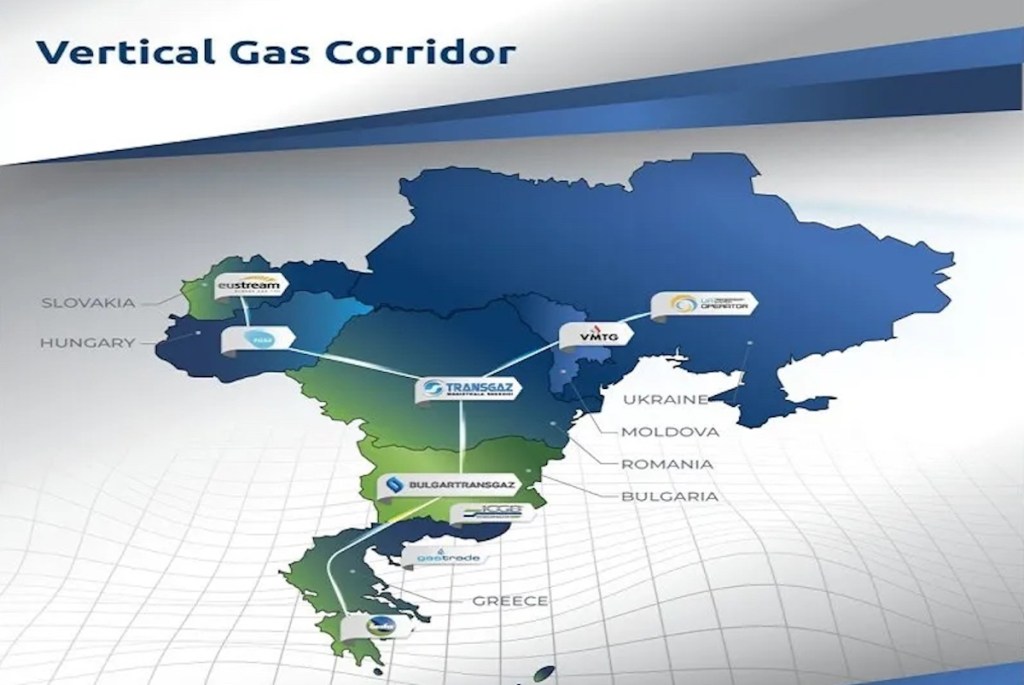
This Week in Africa & Asia This week highlights promising developments across interregional diplomacy, energy cooperation, and economic realignment. From new energy corridors to peaceful restructuring of global alliances, Africa and Asia continue to find space for connection and collaboration in a shifting geopolitical landscape. US LNG exports shift energy dynamics, easing East-West tensions Ukraine’s strategic move to import American liquefied natural gas (LNG) via Greece’s Vertical Gas Corridor is reshaping regional supply chains. This development contributes to energy diversification and illustrates the broader impact of US LNG exports on Russia-Turkey relations, prompting peaceful reconfigurations in Eurasian energy diplomacy. Greece emerges as a key transit hub in international energy cooperation Greece’s role in facilitating LNG transit from the US to Central and Eastern Europe underscores its growing influence in cross-continental energy partnerships. The initiative boosts regional interdependence while reinforcing EU energy security efforts through peaceful collaboration. Peaceful energy transitions foster broader Eurasian cooperation Joint infrastructure initiatives among Ukraine, Poland, and Croatia signal a multilateral approach to securing responsible energy sources. These cooperative ventures support the gradual detachment from conflict-prone supply routes and increase long-term regional stability. Energy diplomacy paves the way for constructive dialogue Reduced reliance on single-supplier energy systems creates space for new diplomatic channels among nations. This transformation offers opportunities for peacebuilding by aligning energy security with shared economic interests. Economic corridors promote strategic diversification The Vertical Gas Corridor, backed by the US and European partners, strengthens infrastructure links between Asia, Europe, and beyond. Such developments help bridge interregional gaps and offer shared benefits through sustainable cooperation. Soft power through energy: A catalyst for governance reforms Transparent international energy deals encourage good governance and economic resilience. The West’s LNG partnerships with Eastern European states are setting new standards in contractual clarity, oversight, and regional cooperation. International energy flows stimulate intercontinental dialogue The recalibration of global energy routes via the Eastern Mediterranean opens new avenues for Asia-Africa engagement. As existing networks evolve, so does the potential for future partnerships in renewable energy and technology exchange. Together, these shifts reaffirm our shared vision: a world where sustainable development, peaceful co-existence, and collaborative innovation guide Africa–Asia relations into a brighter future.

views and opinions

Innovative Green Trade Models in Africa Asia Diplomacy

Innovative Green Trade Models in Africa Asia Diplomacy Innovative Green Trade Models in Africa Asia Diplomatic Collaborations are reshaping global dialogues on sustainability, equity, and trade. Aligned with the Africa–Asia Institute’s mission to foster interdisciplinary collaboration and cultural exchange, these models signify a hopeful future. They offer a dynamic platform where environmental stewardship meets economic growth, all within a framework of mutual respect and cooperation. Leadership in Sustainable Trade Partnerships One of the clearest examples of these models is the growing number of bi-national sustainability agreements. For instance, Kenya and South Korea have launched initiatives aimed at supporting eco-friendly agribusiness. These partnerships combine South Korea’s advanced green technologies with Kenya’s rich agricultural potential. Not only do such collaborations reduce carbon footprints, they also help rural communities gain long-term economic resilience. Additionally, African and Asian universities are increasingly joining forces to conduct joint research on circular economies and carbon-neutral logistics. Institutions in Ghana and Malaysia are co-developing zero-waste strategies for textile industries, a critical step in reducing environmental harm while promoting ethical supply chains. Collaborations like these underscore a commitment to scholarly cooperation that is both practical and visionary. Innovative Green Trade Models in Africa Asia Diplomatic Collaborations in Practice Beyond academia, diplomatic efforts are also facilitating important policy shifts. The Africa–Asia Green Diplomacy Dialogue, held annually, brings together trade ministers, climate scientists, and cultural diplomats. Through this forum, participating nations are developing green certification systems that encourage sustainable exports without adding bureaucratic burdens. This allows smaller enterprises, including women-led cooperatives, to thrive in diversified markets. At the community level, innovation is equally compelling. In Tanzania, the Asia-Africa Solar Alliance has installed off-grid solar units manufactured through Indian-African joint ventures. The model empowers local technicians and supports energy access while creating micro-level trade exchanges. Culturally sensitive training programs ensure technologies are adapted to local contexts, reinforcing the human aspect of green diplomacy. Culture and Climate: A Converging Vision Cultural diplomacy also plays a key role in supporting these models. Exhibitions, academic fairs, and artistic residencies that highlight eco-conscious practices are helping citizens from both regions appreciate shared values. One notable initiative is the Green Art Exchange between Nigeria and Indonesia, which leverages traditional artistry to elevate environmental themes. Inspired by indigenous knowledge, these works serve as both commentary and solution. These connections go beyond aesthetics. They help build trust and friendship, which in turn make formal agreements on green trade more durable. In many cases, cross-cultural understanding precedes economic collaboration, underlining the Africa–Asia Institute’s belief in diplomacy rooted in knowledge, empathy, and mutual growth. Conclusion: Advancing a Shared Green Future The emergence of Innovative Green Trade Models in Africa Asia Diplomatic Collaborations reflects a transformative shift in how trade and sustainability intersect. These initiatives are not simply about reducing emissions. They are about building inclusive economies, nurturing academic partnerships, and redefining cultural relationships across continents. As the Africa–Asia Institute continues to champion research-driven, people-centered diplomacy, these models serve as living examples of progress. Through grounded cooperation and forward-looking policy, Africa and Asia are together crafting a new narrative—one as global as it is green.

Contact Us

General Inquiries

Social Media Auto Publish Powered By : XYZScripts.com
Scroll to Top