Author name: Africa Asia Institute

Weekly News Digest

Africa and Asia This Week

“`html This Week in Africa & Asia Pakistan Afghanistan Border Conflict Escalation Analysis: Recent diplomatic engagements between Pakistan and Afghanistan highlight a commitment to mitigating border tensions and fostering a more peaceful coexistence. Key diplomatic figures emphasize the potential for enhanced communication channels to prevent further escalations. Regional Cooperation Strengthens: Efforts to boost regional cooperation through multilateral dialogues are being reinforced by both nations, aiming to address shared challenges and promote stability along the Pakistan-Afghanistan border. Cultural Exchange Initiatives: Across the Pakistan-Afghanistan border, renewed cultural exchange programs are being celebrated for their role in building mutual understanding and community ties amidst the current tensions. Scientific Collaborations for Peace: Science-led initiatives are being prioritized to address environmental challenges in the border regions, leveraging joint research projects to foster peace and collaboration. Environmental Diplomacy Gains Ground: Environmental diplomacy is emerging as a key focus, with both nations recognizing the critical need to address ecological concerns through cooperative efforts. Boosting Governance and Transparency: Both governments are advocating for improved governance and transparency in handling border disputes, underscoring the importance of fair processes and accountability. Emerging Opportunities for Peacebuilding: Peacebuilding organizations are actively working in border areas, cultivating grassroots initiatives to support long-term peace and reconciliation. Diplomatic Channels Reinforced: The strengthening of diplomatic channels is promising renewed dialogue opportunities, which are seen as pivotal to transforming historic tensions into constructive cooperation. As the Africa-Asia Institute, we continue to champion collaborative efforts that promote peacebuilding and sustainable development across these pivotal regions. By fostering dialogue and understanding, we aim to contribute positively to the peace process. “`

views and opinions

Cultural Diplomacy: Building Sustainable Africa-Asia Bridges

“`html Cultural Diplomacy: Building Sustainable Africa-Asia Bridges Cultural Diplomacy Strategies for Sustainable Africa Asia Partnerships are becoming increasingly vital as we forge a future defined by mutual respect and collaboration. The Africa–Asia Institute is at the forefront of fostering dialogue and nurturing partnerships that are essential in our interconnected world. This mission seeks to enhance cultural understanding, support sustainable practices, and promote a shared vision between the two continents. Historically, Africa and Asia have been linked through vibrant cultural exchanges, driven by trade and shared interests. Today, both regions face common challenges such as climate change and economic development, making cultural diplomacy more important than ever. By harnessing the power of culture, we can strengthen diplomatic ties and foster sustainable development. Cultural Diplomacy Strategies for Sustainable Africa Asia Partnerships The concept of cultural diplomacy plays a key role in bridging gaps between different communities. An effective strategy involves embracing cultural exchanges that promote mutual understanding. Initiatives such as artist residencies and cultural festivals showcase the rich diversity of both continents, providing platforms for dialogue and collaboration. These events, often supported by institutions like the Africa–Asia Institute, also highlight the significance of preserving cultural heritage while encouraging innovative approaches to sustainability. Promoting Sustainable Development Through Education Education is a cornerstone of any cultural diplomacy strategy. Collaborative educational programs can drive sustainable development by nurturing the next generation of leaders. Universities in Africa and Asia are forming partnerships to promote knowledge exchange and research on sustainability topics. These programs not only teach students about environmental stewardship but also prepare them to be global citizens who appreciate cultural diversity. This approach aligns with Africa–Asia Institute’s commitment to building educational bridges that benefit both continents. Trade is another area where cultural diplomacy can flourish. By fostering trade agreements that reflect ethical and sustainable practices, countries can ensure economic growth while protecting the environment. The New Silk Road initiative, for instance, exemplifies how trade between Africa and Asia can be leveraged for mutual benefit. These collaborations can help reduce poverty and promote economic resilience, underlining the importance of strategic diplomatic efforts. Furthermore, research partnerships focused on sustainability can enhance cultural diplomacy. By collaborating on projects that address pressing global issues such as renewable energy and food security, Africa and Asia can jointly contribute to solutions that have a lasting impact. These efforts lead to innovative breakthroughs and demonstrate how cultural diplomacy extends beyond mere cultural exchange to include practical, sustainable outcomes. In conclusion, the Africa–Asia Institute champions collaborative endeavors that embody the spirit of cultural diplomacy, catalyzing sustainable partnerships across continents. By focusing on cultural exchanges, education, trade, and research, we can build bridges that stand the test of time. The institute’s mission serves as a beacon of hope for a future characterized by cooperation, sustainability, and innovation. “`

views and opinions

Pioneering Educational Innovations for Africa-Asia Unity

“`html Pioneering Educational Innovations for Africa-Asia Unity Collaborative Educational Innovations for Sustainable Africa Asia Futures lie at the heart of the Africa–Asia Institute’s mission. The Institute champions symbiotic relationships between the two continents to foster joint growth and development. By uniting educational fronts through innovative strategies, we aim to create sustainable futures that empower both regions, nurturing a new generation of global leaders. As Africa and Asia continue to evolve, a new era of collaborative educational innovations is paramount. Educational strategies that traverse borders can lead to remarkable breakthroughs in sustainability and diplomacy. Understanding the power of education as a universal language, the partnership between these continents unlocks new opportunities for cultural exchange and economic cooperation. Collaborative Educational Innovations for Sustainable Transformation One notable example of visionary collaboration is the partnership between African and Asian universities in establishing joint research centers. These centers foster a spirit of inquiry and innovation, concentrating on pressing global issues like climate change and sustainable agriculture. Such initiatives not only advance academic research but also enable students and faculty to exchange insights that promote cultural understanding and mutual respect. Moreover, the integration of digital learning tools has revolutionized how knowledge is disseminated between the continents. African and Asian educational institutions have utilized technology to bridge gaps, offering students an array of courses and resources previously inaccessible. By leveraging these digital platforms, learners gain global perspectives, equipping them with skills vital for thriving in an interconnected world. Building Bridges Through Educational Diplomacy Educational diplomacy has become a cornerstone for sustainable Africa Asia futures. Programs encouraging student exchanges and faculty collaborations nurture soft skills and cultural appreciation. For instance, joint seminars and workshops provide fertile ground for dialogue, facilitating an exchange of ideas that can address common challenges and forge shared solutions. These programs underscore the importance of cross-cultural communication, fostering peace and understanding between diverse peoples. Ultimately, sustainable trade and economic growth pivot on robust educational foundations. Educational synergies lay the groundwork for developing industries that drive innovation and sustainability. By fostering entrepreneurial spirit among students, both continents can harness their potential to address local and global market needs, ultimately enhancing their trade relationships. In conclusion, the Africa–Asia Institute plays a pivotal role in shaping educational strategies that inspire collective action. Through collaborative educational innovations, sustainable and inclusive futures for Africa and Asia are within reach. By aligning our efforts with the Institute’s mission, we pave the way for lasting impacts that extend well beyond educational spheres into broader societal transformation. “`

views and opinions

Pioneering Africa-Asia Sustainable Research Partnerships

“`html Pioneering Africa-Asia Sustainable Research Partnerships Sustainable Research Collaboration Initiatives Africa Asia are at the forefront of efforts to address global challenges. In line with the Africa–Asia Institute’s mission of fostering cross-continental understanding and development, these initiatives underscore a commitment to collaborative solutions and innovation. As scholars and policymakers explore these opportunities, the potential for sustainable progress becomes increasingly evident. The Role of Sustainable Research Collaboration Initiatives Africa Asia As the world grapples with complex issues like climate change, health crises, and economic disparities, the role of Sustainable Research Collaboration Initiatives Africa Asia becomes ever more crucial. These partnerships, spanning multiple disciplines, are building bridges between continents. For example, the Africa–Asia Centre for Economic and Environmental Studies is spearheading projects on renewable energy, providing both continents with invaluable insights. Additionally, collaborations in educational exchanges are nurturing a new generation of leaders equipped to tackle tomorrow’s challenges with creativity and resilience. Moreover, cultural diplomacy plays an instrumental role in these research collaborations. By fostering mutual respect and understanding, cultural exchanges lay a robust foundation for more effective partnerships. For instance, student exchange programs between universities in Kenya and South Korea have led not only to joint research initiatives but also to a deeper appreciation of each other’s cultures. These exchanges highlight the importance of cultural insights in achieving sustainable outcomes. Sustainability at the Heart of Africa-Asia Partnerships The impetus for Africa-Asia partnerships often stems from a shared commitment to sustainability. Whether it’s through joint agricultural projects that aim to increase food security or through the development of green technologies, these collaborations embody a shared vision of a sustainable future. The Africa–Asia Agricultural Innovation Network, for example, is harnessing expertise from both regions to improve crop yields while minimizing environmental impact. Through such initiatives, Africa and Asia are not only addressing local needs but also contributing to global environmental goals. Trade relations further cement the bond between Africa and Asia. By fostering economic ties, both regions can benefit from each other’s strengths. African nations supply raw materials essential for Asian industries, while Asia’s technological advancements can drive innovation within African markets. This symbiotic relationship is evident in the rise of tech hubs in Africa, influenced greatly by Asian investment and expertise. Such economic partnerships are pivotal for sustainable development across both continents. In conclusion, Sustainable Research Collaboration Initiatives Africa Asia are pivotal in advancing global progress. The Africa–Asia Institute continues to champion these partnerships, emphasizing that by working together, much can be achieved. As we look to the future, these collaborations hold the promise of a more sustainable, innovative, and equitable world. “`

views and opinions

Sustainable Diplomacy: Boosting Africa-Asia Educational Ties

“`html Sustainable Diplomacy: Boosting Africa-Asia Educational Ties Sustainable Diplomacy Strategies in Africa Asia Educational Partnerships are essential for bridging the cultural and economic divides between these two regions. The Africa-Asia Institute, with its dedication to fostering international collaboration, highlights the significance of educational exchanges as an avenue for sustainable development. As globalization continues to connect diverse communities, these partnerships emerge as vital instruments driving the vision of a more interconnected world. Enhancing Education through Sustainable Diplomacy Strategies One exemplary approach in sustainable diplomacy is the strategic educational exchange programs designed specifically for university students and faculty. Such initiatives not only bolster academic proficiency but also encourage cultural understanding and mutual respect. For instance, the collaboration between the University of Ghana and Japan’s Kyoto University has fostered a robust exchange of knowledge. By focusing on sustainable agriculture and renewable energy technologies, these partnerships are cultivating future leaders equipped with the skills needed in the global economy. Furthermore, Africa and Asia have harnessed the power of technology to foster educational ties. Online platforms and digital tools have become cornerstones in overcoming geographical barriers, allowing students and educators from various continents to engage in meaningful academic discourse. Through webinars, virtual classes, and collaborative research projects, the Kenya-China Education Initiative exemplifies how digital diplomacy can transcend long-standing challenges of distance and resource disparities. Building Cultural Bridges in Africa Asia Educational Partnerships Additionally, culture plays a crucial role in sustainable diplomacy strategies in Africa Asia educational partnerships. Immersive cultural exchange programs bring about profound understanding and appreciation of diverse traditions and histories. Initiatives like the South Africa-South Korea Cultural Scholars Program provide students with a rare opportunity to live and study abroad, immersing themselves in new cultures. These programs dismantle stereotypes, encourage empathy, and lay the foundation for enduring diplomatic relations. The importance of language cannot be underestimated in this context. Language exchange programs, such as those offered through collaborations between Nigerian and Indian institutions, equip students with essential communication skills crucial for diplomacy. They enable participants to appreciate the nuances of each other’s languages, thereby enhancing mutual respect and cooperation across diverse social and political landscapes. Moreover, trade and economic partnerships strengthen educational ties. Investment in educational infrastructure, sponsored by entities like the African Development Bank and Asian Infrastructure Investment Bank, provides much-needed resources for African and Asian educational institutions. These initiatives support sustainable growth by ensuring that educational developments have far-reaching impacts on both local and global scales. Ultimately, the Africa-Asia Institute champions a future where education serves as the cornerstone of international diplomacy. Through targeted strategies, this vision is gradually becoming a reality, promoting long-lasting peace, prosperity, and understanding. “`

Weekly News Digest

Africa–Asia Weekly Digest

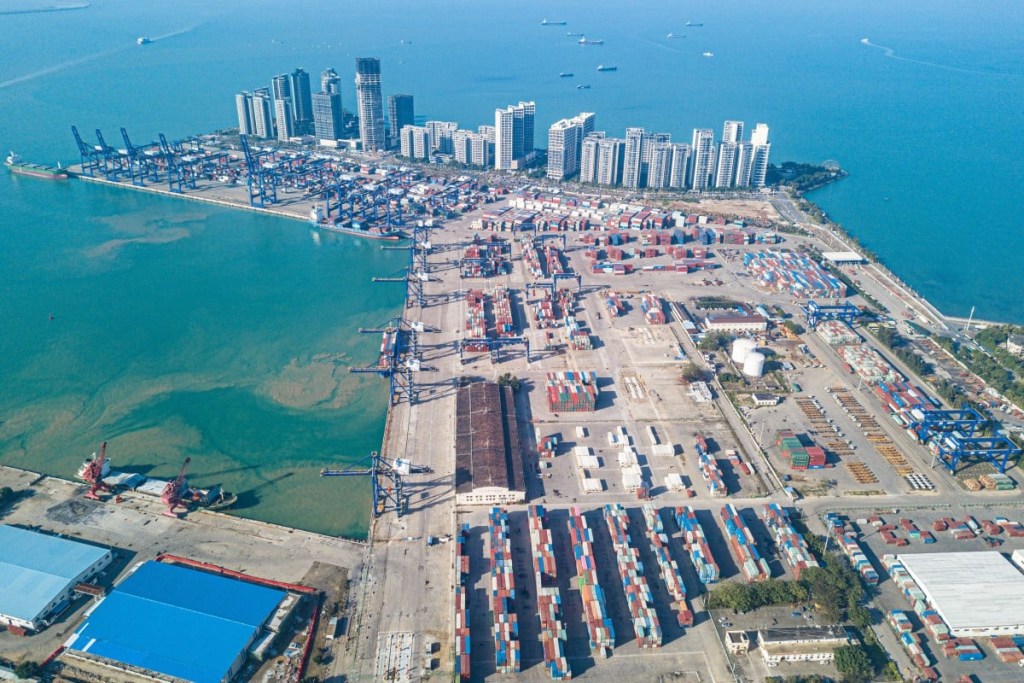
“`html This Week in Africa & Asia Explore the latest positive developments in governance, cooperation, science, environment, and cultural exchange this week from Africa and Asia. The Future of Globalization: Hainan Free Trade Port – China’s Hainan Free Trade Port is setting new standards for global trade by promoting a seamless and open economic environment, emphasizing low tariffs and deregulation. Regional Economic Growth – Hainan’s initiatives leverage globalization by improving frictionless ports which have become crucial economic drivers for regional growth. Strengthening Diplomatic Ties – The establishment of the Hainan Free Trade Port is fostering stronger diplomatic engagements between Asia and Africa, encouraging a collaborative global market. Innovative Governance Strategies – The strategic development plans being implemented in Hainan serve as a model for innovation in governance, aimed at enhancing economic cooperation. Eco-Friendly Economic Expansion – Hainan is integrating environmental safeguards into their trade policy, ensuring that economic expansion aligns with sustainability goals. Science and Technology Exchanges – New policies at Hainan Free Trade Port are set to boost scientific and technological exchanges between Asia and Africa, enriching both regions with shared knowledge and research advancements. Cultural Bridges – The Port’s economic policies are not only enhancing trade but also facilitating cultural exchanges, fostering understanding and peace between diverse cultures. Investment Climate Improvements – Hainan’s deregulation efforts enhance its appeal as an investment hub, demonstrating the positive impact of globalization in creating vibrant economic climates. Peace through Economic Collaboration – By participating in global trade, the Hainan Free Trade Port contributes to peacebuilding efforts through collaborative economic ties that reduce conflicts. The Africa–Asia Institute remains committed to fostering such constructive developments and exchanges, aiming for a future of shared prosperity and peace between Africa and Asia. “`

views and opinions

Africa-Asia: Pioneering Green Trade Ventures

“`html Africa-Asia: Pioneering Green Trade Ventures Innovative Green Trade Partnerships Africa Asia have gained momentum, aligning with the Africa–Asia Institute’s mission of fostering global cooperation through sustainable initiatives. Such collaborations are vital in addressing contemporary global challenges like climate change and economic disparity. The pursuit of green trade ventures is not only ecologically responsible but also economically beneficial for both continents, leading to unprecedented opportunities and advancements. Strengthening Research and Development for Green Innovation Investing in research and development is crucial for pioneering sustainable trade initiatives between Africa and Asia. Universities and private sectors across both regions are joining hands to develop innovative green technologies. For instance, a collaborative project between South African and Indian universities focuses on biofuel production, utilizing locally sourced raw materials. This initiative not only promotes sustainability but also enhances energy independence, showcasing the potential of Innovative Green Trade Partnerships Africa Asia. Educational Exchange: A Green Development Catalyst The role of educational exchange programs cannot be understated in this dynamic. African and Asian academic institutions have launched joint programs to train future leaders in sustainable practices. By sharing knowledge, these programs are equipping students with the skills to tackle environmental and economic challenges head-on. A notable example is the student exchange program between Kenya and Japan, which emphasizes renewable energy studies and strategies. Through such endeavors, new generations are poised to drive forward environmentally sound trade partnerships. Cultural Diplomacy in Advancing Green Trade Cultural diplomacy serves as a bridge, enhancing mutual understanding and trust between Africa and Asia. This foundation is essential for establishing Innovative Green Trade Partnerships Africa Asia, ensuring long-term success. Art and culture festivals that celebrate environmental themes are gaining popularity, acting as platforms for dialogue on sustainable development. Through these exchanges, stakeholders can align their visions effectively, fostering cooperation that transcends mere economic transactions. Sustainability also extends to the realm of trade policy. Both African and Asian governments are increasingly integrating environmental considerations into their economic frameworks. By engaging in multilateral talks, they aim to reconcile trade growth with ecological preservation. This approach not only ensures compliance with international environmental standards but also creates a competitive advantage for goods produced through sustainable means. Trade Agreements and Green Policies Trade agreements now frequently include provisions that promote sustainable practices. For instance, recent trade accords between African and Asian nations have incorporated clauses addressing the reduction of carbon emissions and conservation of biodiversity. These policies are step stones toward a greener future, encouraging businesses to adapt and innovate. This policy shift underscores the commitment to developing trade relationships that prioritize environmental health alongside economic prosperity. The Africa–Asia Institute champions such pioneering ventures, aligning with their mission to enhance global collaboration through sustainable efforts. By focusing on Innovative Green Trade Partnerships Africa Asia, they foster an environment where both continents can thrive economically and ecologically. This ongoing dialogue and partnership are key to a sustainable and prosperous future for all. “`

views and opinions

Forging Alliances: African Asian Sustainable Research Synergies

“`html Forging Alliances: African Asian Sustainable Research Synergies African Asian Sustainable Research Synergies for Future Diplomacy is a concept that aligns seamlessly with the mission of the Africa-Asia Institute. This esteemed institution envisions a world where cross-continental collaboration drives innovation and cultural understanding. It aims to harness the power of knowledge and research to forge alliances that will shape a sustainable future. As we explore the potential of combined efforts in research and diplomacy, we must consider how these synergies can contribute to a more harmonious and innovative global landscape. The Role of Collaborative Research in Diplomacy In the modern world, collaborative research has become a vital tool for enhancing diplomatic relations. African and Asian countries are increasingly working together in various fields, such as renewable energy, public health, and technology. These cooperative efforts are not only solving pressing issues but also paving the way for sustainable development. Importantly, African Asian Sustainable Research Synergies for Future Diplomacy focus on addressing critical areas like environmental conservation and education. By sharing resources and expertise, these regions can achieve goals that would be challenging to tackle individually. The importance of international partnerships cannot be understated. For instance, joint research initiatives in agriculture have led to innovative practices in sustainable farming. These practices benefit both continents, ensuring food security and promoting economic growth. Through mutual understanding and shared goals, African and Asian researchers are setting new standards for sustainable development. Economic Growth and Cultural Exchange Beyond research, trade and cultural exchanges between Africa and Asia signify another dimension of this alliance. Economic partnerships foster entrepreneurship and innovation, leading to job creation and increased prosperity. Moreover, cultural diplomacy, underpinned by African Asian Sustainable Research Synergies for Future Diplomacy, enhances mutual respect and understanding. Organizations that promote cultural exchanges, such as educational institutions, play a crucial role in facilitating this dialogue. Students and professionals benefit from exposure to diverse perspectives, further strengthening the bonds between these regions. For example, exchanges in the arts or language programs create an environment where creativity and knowledge flourish. These interactions not only highlight the rich cultural heritage of Africa and Asia but also encourage a spirit of unity. Cultural diplomacy fosters empathy and reduces stereotypes, building a more inclusive global society. The Path Forward: Sustainable Innovations Innovation and sustainability are at the heart of African Asian collaborations. As environmental concerns become more pressing, both regions are poised to lead by example. By investing in green technologies and sustainable infrastructure, African and Asian countries are setting a benchmark for eco-friendly development. Research initiatives that focus on renewable energy sources, such as solar and wind power, are especially promising. These efforts not only address energy needs but also contribute to global climate change mitigation. Furthermore, the role of education in promoting sustainability cannot be overlooked. Academic institutions in Africa and Asia are collaborating to develop curricula that emphasize environmental stewardship and innovation. This educational framework will equip future generations with the skills needed to tackle the challenges of a rapidly changing world. Conclusion: Joining Hands for a Sustainable Future The path forged by African Asian Sustainable Research Synergies for Future Diplomacy is a testament to the power of collaboration. By joining hands, these regions can create a future marked by sustainable practices, cultural enrichment, and economic prosperity. The Africa-Asia Institute remains committed to fostering these relationships, aligning with its broader mission of enhancing global understanding through research and cooperation. As these alliances continue to grow, they will undoubtedly inspire other regions to follow suit, ensuring a brighter and more sustainable future for all. “`

views and opinions

Driving Change: Africa Asia Climate-Responsive Trade Initiatives

“`html Driving Change: Africa Asia Climate-Responsive Trade Initiatives Africa Asia Climate-Responsive Trade Initiatives are at the forefront of creating a future where economic collaboration marries environmental consciousness. The Africa–Asia Institute is dedicated to pioneering research and fostering partnerships that are reshaping the contours of global trade, all while addressing environmental challenges. By aligning trade policies with climate goals, these collaborations hold the potential to drive sustainable development across both continents. The Role of Africa Asia Climate-Responsive Trade Initiatives Climate-responsive trade initiatives between Africa and Asia are more than just economic ventures; they are a testament to the transformative power of collective action. Policymakers, researchers, and cultural diplomats are part of a dynamic ecosystem focused on blending trade with ecological sustainability. By prioritizing climate resilience, these initiatives aim to reduce carbon footprints while enhancing the economic fortitude of participating nations. Importantly, these efforts also encourage technology transfer, enabling countries to leapfrog traditional development stages and adopt green technologies. A prominent example of such initiatives is the Africa-Asia Initiative on Green Trade, a collaborative project aimed at enhancing sustainable supply chains. This initiative emphasizes the use of low-carbon technologies and promotes responsible consumption, ensuring that trade expansion does not come at the cost of environmental degradation. The initiative also includes training programs for local communities, equipping them with skills to engage in and benefit from these greener trade practices. Cultural Diplomacy: Bridging Continents Through Trade Africa Asia Climate-Responsive Trade Initiatives are not just economic strategies but also platforms for cultural diplomacy. Facilitating a cross-continental dialogue, these initiatives celebrate the rich cultural tapestries of both regions. Projects such as the Cross-Cultural Exchange Program create a space where ideas and traditions blend, fostering understanding and collaboration. This cultural synergy is pivotal in resolving trade disputes amicably, ensuring that partnerships are not only economically viable but also culturally enriching. Sustainability and the Future of Trade The commitment to sustainability is a cornerstone of Africa Asia Climate-Responsive Trade Initiatives. African and Asian nations are actively seeking ways to incorporate environmental considerations into trade agreements. Policies are being formulated to incentivize the adoption of sustainable practices by businesses, which, in turn, catalyzes progress towards reducing greenhouse gas emissions. Moreover, these efforts include measures to protect biodiversity, ensuring that trade activities do not compromise ecological balance. Furthermore, collaborative research initiatives are shedding light on innovative approaches to sustainable trade. Joint studies are enhancing understanding of the region-specific impacts of climate change, guiding policy frameworks that are adaptive and forward-thinking. Such research partnerships embody the spirit of proactive international cooperation, essential for addressing the complexities of climate change. As we look to the future, Africa Asia Climate-Responsive Trade Initiatives embody the vision of the Africa–Asia Institute to nurture a thriving, interconnected world. By embracing sustainability, cultural dialogue, and innovation, these initiatives chart a path towards a resilient future. The collaborative spirit between Africa and Asia serves as an inspiring model for global partnerships, demonstrating that when continents unite in purpose and action, transformative change is not only possible but inevitable. “`

views and opinions

Africa-Asia’s Joint Green Diplomacy for a Sustainable Future

“`html Africa-Asia’s Joint Green Diplomacy for a Sustainable Future Collaborative Green Diplomacy Initiatives Between Africa And Asia are at the forefront of global efforts towards sustainability and development. The Africa-Asia Institute stands as a beacon of cooperation, seeking to harness the power of multicultural collaboration in addressing worldwide challenges. This mission resonates deeply as both continents are poised to lead the world through exemplary partnerships that emphasize green diplomacy and sustainable growth. Collaborative Green Diplomacy Initiatives: A New Era In recent years, Africa and Asia have intensified their cooperation through collaborative green diplomacy initiatives. These alliances are built on mutual respect and shared goals, aiming to foster environmental sustainability while empowering local communities. By joining forces, nations are more effectively addressing climate change with innovative solutions that transcend geographical boundaries. For instance, a joint project between Kenya and Japan focuses on enhancing renewable energy sources across East Africa. The initiative not only promotes sustainable energy but also stimulates economic growth by creating green jobs in rural areas. Such collaborations serve as a testament to the potent blend of indigenous knowledge and cutting-edge technology that bridges continents and cultures. The Role of Education in Collaborative Green Diplomacy Initiatives Education plays a pivotal role in fortifying collaborative green diplomacy initiatives between Africa and Asia. Academic exchanges and research collaborations are increasing, providing a platform for students and scholars to innovate and implement sustainable practices. Universities in South Korea and Ethiopia, for example, are partnering on research that explores sustainable agricultural techniques, promising to boost food security and mitigate environmental impact. Such educational partnerships not merely advance scientific knowledge but also nurture a generation of environmentally conscious leaders who are prepared to tackle our planet’s most pressing challenges. By drawing on diverse perspectives, these partnerships enrich the global dialogue on sustainability. Moreover, cultural diplomacy extends beyond formal agreements, celebrating the rich heritage and diversity that define both continents. Events like the Africa-Asia Green Festival offer opportunities for cultural exchange while promoting environmental awareness. These gatherings highlight the shared commitment to sustainability and inspire public engagement, fostering a collective sense of purpose. Trade and Innovation: Pillars of a Green Future Trade relations between Africa and Asia encompass an increasing focus on sustainability and innovation. By embracing green technologies in sectors such as agriculture and manufacturing, these trade partnerships are promoting economic resilience and environmental stewardship alike. Within this arena, the China-Africa Eco-Innovation Partnership plays a crucial role by fostering technological exchanges that support eco-friendly manufacturing processes. Likewise, South-South trade initiatives are setting new standards for sustainable commerce. The Africa-Asia Institute champions these efforts, reinforcing its commitment to creating a balanced and sustainable global economy. Through these concerted efforts, the continents are not just trading goods but also exchanging ideas and values oriented around sustainability. Through these comprehensive strategies, Africa and Asia are diligently weaving a tapestry of green diplomacy. As a result, they demonstrate that a collaborative approach can effectively address global challenges, cementing their role as leaders in the march towards a sustainable future. The Africa-Asia Institute continues to advocate for initiatives that advance collaborative green diplomacy. By fostering partnerships rooted in shared goals and mutual respect, the institute is ensuring that the strides made today will flourish into a lasting legacy of sustainability and peace for generations to come. “`

Contact Us

General Inquiries

Social Media Auto Publish Powered By : XYZScripts.com
Scroll to Top